
Phantom load, the electricity drawn by devices that are nominally turned off, is one of the larger hidden expenses in modern homes. A typical household has 30-50 devices plugged in at any given time, many of which continue drawing small amounts of power even when not in use. Individually trivial; collectively, sometimes 8-12 percent of total electricity consumption.
The good news: most phantom load is easily eliminated.
What counts as phantom load
Phantom load includes:
- Standby power: devices in “off” or “ready” mode (TVs, set-top boxes, gaming consoles, sound systems).
- Charger draw: chargers left plugged in without a device connected.
- LED indicators: the small lights showing a device is plugged in.
- Clock displays: microwaves, ovens, coffee makers with permanent clock displays.
- Network devices: Wi-Fi routers, modems, smart-home hubs running 24/7.
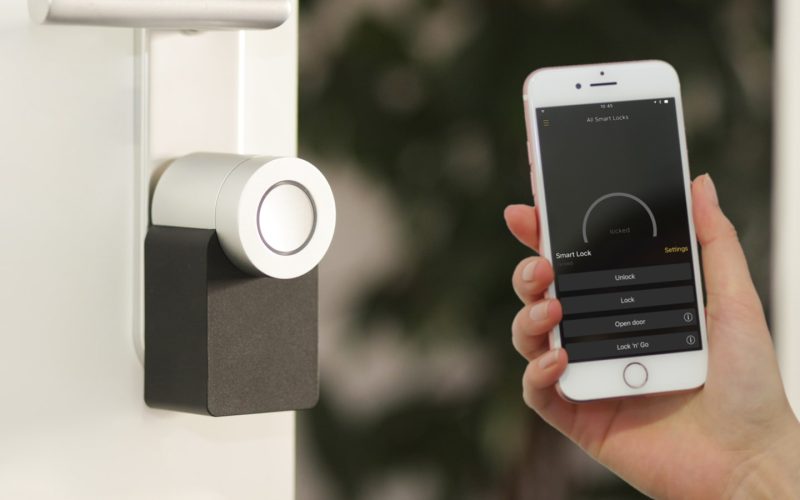
- Smart-home devices: always-on connected devices waiting for instructions.
Each device individually draws 0.5-5 watts. Multiplied across many devices and 8,760 hours per year, the total adds up significantly.
The biggest culprits
The standby loads that matter most, ranked by typical draw:
- Older TVs and set-top boxes: 10-30 watts standby. The single biggest phantom load in many households.
- Gaming consoles: 10-20 watts in “rest mode” if always-on for downloads.
- Sound systems and amplifiers: 5-15 watts standby.
- Desktop computers in sleep mode: 5-10 watts (laptops are much lower).
- Wi-Fi routers and modems: 5-10 watts continuous (necessary but worth knowing).
- Smart speakers (Alexa, Google Home): 2-4 watts continuous each.
- Phone and tablet chargers (plugged in, no device): 0.5-2 watts each.
- Microwave clock display: 2-5 watts continuous.
A typical living room with TV, set-top box, sound system, gaming console, and smart speaker might draw 30-60 watts in standby, which is 260-525 kWh per year, around £60-130 in electricity at current UK prices, just for devices that are nominally off.
The intervention: switched plug strips
The single most effective intervention is the switched plug strip. A power strip with an on/off switch lets you eliminate standby power for multiple devices with one action.
The recommended setup:
- Living room strip: TV, set-top box, sound system, gaming console. Switch off at night and when leaving for work.
- Office desk strip: monitor, printer, desk lamp, phone charger, peripheral devices. Switch off after work hours.
- Kitchen counter strip: coffee machine, toaster, kettle, blender. Switch off when not actively using.
- Bedside strip: phone charger, lamp, alarm clock. Switch off during the day when at work.
Cost: £8-20 per strip. Setup time: 15 minutes for the whole flat. Annual savings: typically £80-200 in electricity, plus the carbon savings.
What to leave plugged in
Some devices genuinely need to be always-on:
- Fridge and freezer: obviously.
- Wi-Fi router and modem: if you use cloud services, remote work, or expect anyone to reach you.
- Smoke and CO detectors: safety devices.
- Smart-home hubs: if you actually use them for automation.
- Security systems: if you have them.
- Some medical devices: CPAP machines, certain medication storage.
Everything else can usually be switched off when not in use.
The desktop vs laptop calculation
For workspaces, replacing a desktop computer with a laptop is one of the highest-impact phantom-load changes:
- Desktop with monitor in sleep mode: 8-15 watts standby; 150-300 watts during use.
- Laptop closed/sleep: 0.5-2 watts; 30-60 watts during use.
For most office work, a laptop with a separate monitor matches desktop functionality at a fraction of the energy use. The carbon savings over a 5-year lifespan are substantial.
The router question
Wi-Fi routers are often the highest constant draw in a home. Some interventions:
- Don’t turn off the router for short periods. Cycling routers on and off doesn’t meaningfully save energy and may shorten the device’s life.
- Do turn it off for extended periods (holidays, business trips). A week-long holiday with the router off saves around 1 kWh.
- Schedule overnight off-cycles if you don’t use the internet at night. Some routers have built-in scheduling; otherwise a smart plug can do it.
- Choose energy-efficient routers when replacing. Modern routers are dramatically more efficient than 10-year-old models.
The kitchen clocks
Microwaves, ovens, and some other kitchen appliances have permanent clock displays that draw 2-5 watts continuously. The cumulative annual cost: £10-25 per appliance, for a clock you probably don’t consult.
The fix: plug these appliances into outlets controlled by a wall switch (where possible) or switched plug strips. When you need to use the microwave or oven, switch on. When not in use, switch off.
This requires resetting the clock each time, which is annoying. Some people accept the small ongoing cost for the convenience. Others don’t.
The smart-home irony
Smart-home devices are themselves significant phantom-load contributors. A house with 15 smart bulbs, three smart speakers, two smart-home hubs, and various connected sensors can have 30-50 watts of additional standby load, which often exceeds the energy savings the smart-home is supposed to provide.
Before installing extensive smart-home tech, calculate whether the energy management benefits actually exceed the standby costs of the system itself.
Related: Solar Options That Renters Can Actually Use
The measurement question
If you want to know exactly how much phantom load each device draws, a plug-in energy monitor (Kill-A-Watt or equivalent) costs £15-25 and shows real-time and accumulated consumption for any plugged-in device.
Spend an evening measuring every device in your home. The results will surprise you and identify the highest-impact targets for switched plug strips.
Related: Winter Heating Savings: A Realistic Tenant’s Playbook
The honest summary
A household that addresses phantom load through switched plug strips and conscious habits can eliminate 60-80 percent of standby consumption. The annual savings are typically £100-250 in electricity costs.
The interventions are cheap (£20-40 in plug strips for a typical flat) and reversible. The habit forms within a few weeks, flipping the switch becomes automatic on the way out of a room.
The carbon savings are not enormous but they’re real, and the financial savings make this one of the best return-on-effort sustainability interventions available to any household.
Related: Water Conservation in an Apartment: What Genuinely Saves Litres
The energy math in one table
| Key point | What it means in practice |
|---|---|
| Standby power | devices in "off" or "ready" mode (TVs, set-top boxes, gaming consoles, sound systems). |
| Charger draw | chargers left plugged in without a device connected. |
| LED indicators | the small lights showing a device is plugged in. |
| Clock displays | microwaves, ovens, coffee makers with permanent clock displays. |
| Network devices | Wi-Fi routers, modems, smart-home hubs running 24/7. |
What an experienced household looks like
It is worth being honest about what good practice in this area looks like after several years of attention. It is not a magazine-perfect lifestyle. The bins are sorted but not labelled in artisan calligraphy. The pantry has a small set of jars rather than a coordinated wall display. The flat smells like whatever was cooked, not like a perfumed lobby. The energy bill is lower than the neighbourhood average but the household still has a TV, a kettle, and a freezer.
What is different is the defaults. The reusable bag is genuinely in the everyday bag. The thermostat is genuinely scheduled. The food in the fridge is genuinely used before being wasted. The shopping is genuinely planned rather than improvised. None of this requires the household to think harder about sustainability than the average household; it requires the defaults to have been set once and then left alone. The mental load of good practice is, in the long run, significantly lower than the mental load of constantly negotiating with disposable habits.
Sources and further reading
Frequently asked questions
For a typical UK household, around 8-12 percent of total electricity use, which works out to £80-200 per year at current prices.
For most modern electronics, no. Repeated rapid cycling is more wearing than daily on/off cycles. Don't worry about damage from regular switching.
Only for vacations of 2+ weeks, and only after emptying and defrosting it. For shorter trips, leave it on, the cooldown cycle when you return uses more energy than the standby.
Generally yes, EU and UK regulations have steadily reduced allowed standby power. A 2010 TV might have 15-20 watts standby; a 2024 TV typically has 0.5-2 watts.