A cargo bike replaces the second car for a growing number of city families. Urban Arrow reports that roughly 60 percent of its front-loader customers use the bike as their primary vehicle for kid transport and grocery runs, keeping the car only for weekend trips or eliminating it entirely. This guide covers what cargo bikes cost, the two main types to choose between, what they realistically carry, and the specific practicalities of owning one as a renter.
Everything below assumes a family with 1 to 3 children under 8, using the bike for school runs, groceries, and errands within a 5 km radius. Longer commutes and larger families need different setups.
The two categories
- Longtail cargo bike. Standard bike frame extended at the rear to carry passengers and cargo behind the rider. Examples: Tern GSD, Yuba Spicy Curry, Rad Wagon. Length: about 2 metres. Weight: 25 to 35 kg. Feels most like a normal bike.
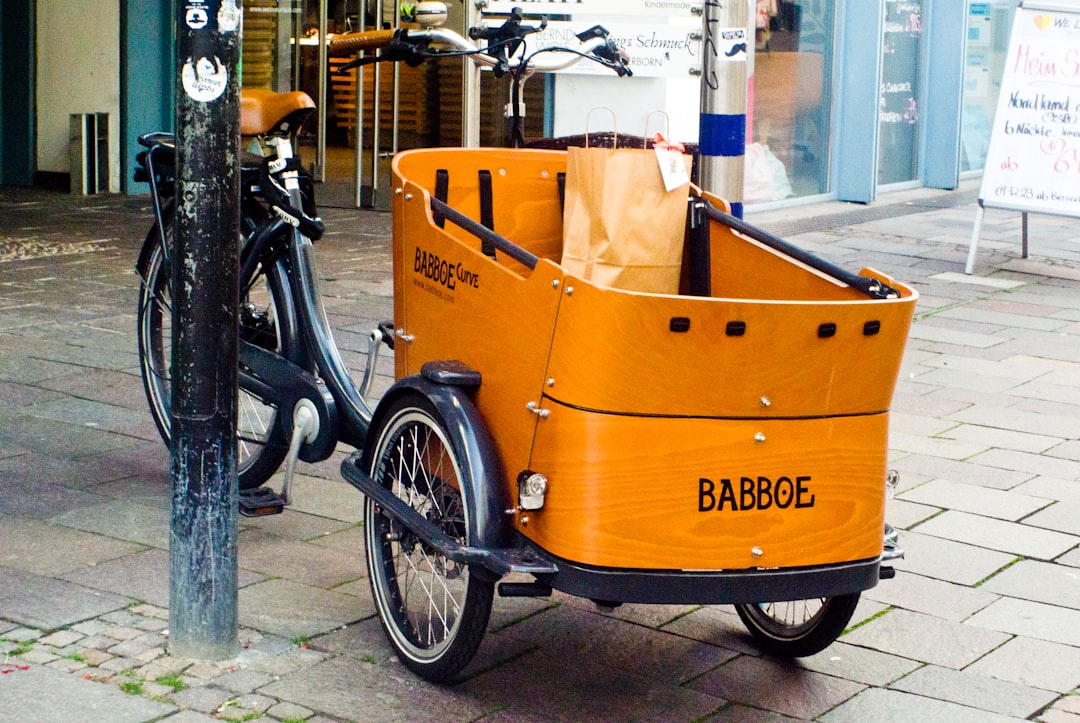
- Front-loader (bakfiets). Cargo box in front of the rider, low to the ground. Examples: Urban Arrow, Riese & Muller Load, Bullitt. Length: 2.5 metres. Weight: 30 to 45 kg. Longer wheelbase, more stable at low speeds with load, more distinctive appearance.
Choose front-loader if:
- You carry multiple small children who benefit from being visible in front of you.
- The cargo is mixed shapes (groceries, dog, tools) that fit better in a box than on a bench.
- You have wide cycle lanes and adequate storage.
Choose longtail if:
- Your children are 4+ and can hold themselves on a bench with grab-bar.
- You want a bike that fits through standard cycle-lane widths and standard doorways.
- Storage space is limited.
Costs, honestly
Real 2026 prices:
- Entry-level electric longtail (Tern Quick Haul, Rad Wagon). £2,500 to £3,500 new.
- Premium electric longtail (Tern GSD S10, Riese & Muller Multicharger). £5,000 to £6,500 new.
- Entry-level front-loader (Bullitt, Urban Arrow Family). £4,500 to £6,500 new.
- Premium front-loader (R&M Load 60, Urban Arrow Cargo XL). £6,500 to £9,500 new.
Add £250 to £500 for essential accessories: rain canopy for a front-loader, child seat conversion for a longtail, lock, lights, tools.
Second-hand market: a 2-3 year old cargo bike in decent condition sells for 55 to 70 percent of the equivalent new price. Watch for battery age (replacement is £600 to £1,200) and drivetrain wear (chain and gears after 5,000 km).
What it actually carries
Real capacities from cargo-bike users, not marketing numbers:
- School run with two children (4 and 7): both bikes handle it comfortably.
- Weekly grocery shop for a family of four: 60 to 80 kg of shopping. Front-loader easier; longtail with panniers fits it.
- Nursery drop plus dog: front-loader is markedly better for shape mixing.
- IKEA flat-pack under 1.5 m long: front-loader; longtail with careful strapping.
- A ladder or long timber: neither. Rent a small van.
Related: Commuting with Kids on Public Transit covers the alternative for families not ready to commit to a cargo bike.
Storage: the real renter constraint
Cargo bikes are heavy and big. Practical storage options in rental settings:
- Ground-floor flat with garden or side alley: best. A weatherproof cover (£40 to £80) protects the bike outdoors year-round.
- Building bike store with double-wide bay: ideal if it exists. Ask before purchase, not after.
- Communal courtyard or under-stair: workable if the building allows it and there is a lockable anchor point.
- Upper-floor flat with lift: possible but tedious. Lifts often struggle with a 40 kg cargo bike’s footprint.
- Upper-floor flat with no lift: not viable. Consider a folding cargo bike (Tern GSD folds to smaller footprint) or reconsider the whole plan.
City schemes are emerging: Cyclehoop cargo-bike hangars serve six cargo bikes and typically have a waiting list. Some UK councils subsidise cargo-bike purchase as a car-reduction measure; check local grant programmes.
Insurance and security
Two categories of protection matter:
- Theft insurance. A £5,000 bike is theft-attractive. Cycling-specific insurers (Bikmo, Laka, Yellow Jersey) cover cargo bikes; premium is £100 to £250 per year depending on value and storage arrangements. Home contents insurance usually excludes bikes over £500 unless separately listed.
- Personal liability. Some cycling insurers include third-party liability for accidents involving the cargo bike. Worth having; a family cargo bike carries more weight and inertia than a standard bike.
Two locks (Sold Secure Gold D-lock plus chain and anchor) are the practical minimum for anything above £2,000. Ground anchors in a private bike store add another layer.
Quick reference: is a cargo bike right for your family
| Signal | What it suggests |
|---|---|
| You currently drive under 5 km for most errands | Cargo bike likely replaces those trips. |
| Two children under 8 need daily transport | Front-loader or longtail; both work. |
| Ground-floor flat or building bike store available | Storage viable; commit to a purchase. |
| Upper-floor flat, no lift, no store | Storage is the blocker; solve first. |
| You currently do zero cycling | Ride a normal bike for a month before spending £5,000 on a cargo bike. |
| Weather-averse rider | Front-loader rain canopy helps; a car alternative still needed for really bad days. |
The realistic verdict
A cargo bike replaces the second car for many city families, reduces the primary car’s mileage for most, and pays for itself in 3 to 5 years compared to car ownership at 2026 fuel and insurance rates. For renters, the storage question is the single biggest blocker; solve it first before committing to a purchase. When it works, it moves a family more freely and more cheaply through the city than either public transit or a car, and children who grow up as passengers tend to become confident cyclists themselves.
What the second year of ownership looks like
Owners often report that year one is about learning the routes and load capacity, year two is about optimising. Common second-year adjustments: adding a rain canopy for winter school runs (not initially thought necessary; universally added by January), upgrading to a bigger battery for longer trips, and adding a second key so a partner can share the school run without swapping keys. Depreciation is gentler than car depreciation; five-year-old cargo bikes retain 40 to 55 percent of new price if well-maintained, versus 20 to 30 percent for typical small cars.
The unexpected household economics
Families that transition from a second car to a cargo bike report annual savings well past the sticker-price arithmetic. Reduced insurance, no MOT, no parking permits, no petrol, and the tendency to consolidate errands into fewer trips (you plan the cargo bike run more deliberately than a car dash) all add up. On the flip side, the initial capital outlay is meaningful, and financing (many bike shops offer 24 to 36 month plans) turns a £5,000 spend into a manageable £150 monthly commitment, comparable to a small car’s insurance-plus-fuel.
Sources and further reading
Frequently asked questions
Entry-level electric longtails start around £2,500 (Tern GSD, Rad Wagon). Mid-range front-loaders (Urban Arrow, Riese & Muller) run £5,000 to £8,000. Second-hand markets have grown fast; a two-year-old front-loader typically sells for 55 to 70 percent of new price.
A longtail carries roughly 80 to 100 kg of cargo or two children on a rear bench. A front-loader carries 80 to 120 kg in the front box, including two toddlers side by side or one child plus a week's groceries. Both handle a typical school run and supermarket trip better than a small car for most families.
No, cargo bikes are still bicycles under UK, EU, and most US law. Electric assist under 250 W and 25 km/h assisted speed is unregulated bike use. Anything more powerful (speed pedelec) may require a helmet, insurance, and registration in your jurisdiction.
Cargo bikes are big. Ground-floor storage or a building bike store is realistic; carrying a 30 kg cargo bike up two flights of stairs daily is not. Renters without ground-floor access should either negotiate building storage first or plan for a lockable outdoor cover.