
Winter heating is the single largest energy expense for most UK and northern European flats. A typical apartment’s winter gas bill ranges from £400 to £1,200, depending on size, insulation, and efficiency. Most of that spending can be reduced significantly without buying new boilers or rebuilding walls.
Here is the realistic tenant’s playbook for cutting winter heating costs while staying comfortable.
The temperature reset
The single most impactful change is the room temperature setting. Most flats are heated to 21-22°C, which is warmer than necessary for normal indoor activity.
Recommended baseline temperatures:
- Living room (occupied, evening): 19-20°C.
- Bedroom (sleeping): 16-18°C.
- Bathroom (during use): 21-22°C (acceptable spike).
- Unused rooms: 16°C minimum to prevent damp.
- Whole flat when out: 14-16°C.
Each 1°C reduction in main living areas saves roughly 8-10 percent of heating costs. Dropping from 22°C to 19°C saves 25-30 percent, which on a £800 winter bill is £200-240.
Dressing for the temperature
The lower temperature target works only if you dress for it. The basics:
- Wool or thermal layers as the base layer indoors.
- Slippers or warm socks (cold feet make the whole body feel cold).
- A warm jumper or fleece in the evening.
- A blanket on the sofa for TV time.
- Warm pyjamas and a duvet rated for the actual season.
The Scandinavian approach to indoor winter, warm clothing rather than warm rooms, works in any climate and dramatically reduces heating costs.
The thermostat schedule
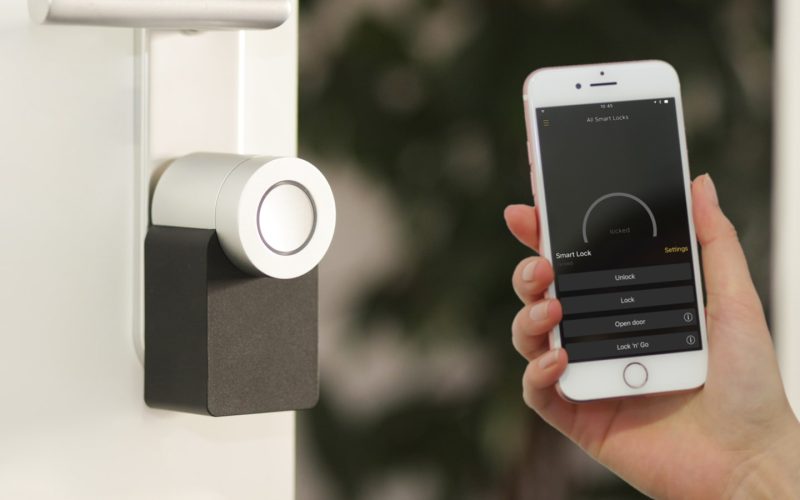
A programmable thermostat with a smart schedule beats constant heating:
- 30 minutes before you wake: heat to 19-20°C.
- When you leave for work: drop to 14-16°C.
- 30-45 minutes before you arrive home: heat to 19-20°C.
- One hour before bed: drop to 17-18°C.
- During sleep: 16-17°C (or off if the flat retains heat well).
This pattern saves 20-30 percent vs. constant heating, with minimal comfort impact. Most modern thermostats can be programmed in 15 minutes.
Heat what’s occupied
Thermostatic radiator valves (TRVs) let you set individual room temperatures. Use them:
- Turn down TRVs in unused rooms (spare bedroom, dining room) to 14-16°C.
- Keep TRVs higher in actively used spaces.
- Close doors between heated and cooler rooms to maintain the temperature differential.
This room-by-room approach can save another 15-20 percent vs. heating the whole flat uniformly.
Eliminate draughts
Cold air seeping in through window and door gaps undoes much of the heating you’re paying for. The renter-friendly fixes:
- Draught-excluder strips on doors: £5-10 per door. Self-adhesive, removable. Particularly important on external doors.
- Window draught tape: £5 per roll. Fills gaps around window frames.
- Letterbox brush: £8-15. Stops cold air shooting through the letterbox.
- Keyhole cover: £3 for a self-closing flap.
- Floor draught excluders: the long sausage-shaped cushions placed against door gaps.
Total cost for a typical flat: £30-60. Heating savings: 5-15 percent.
Heavy curtains
Curtains are one of the most underrated heating interventions. A heavy lined curtain reduces window heat loss by 30-50 percent vs. an uncovered window.
The protocol:
- Open curtains during daylight to capture free solar heat through windows.
- Close curtains at dusk to retain heat.
- Make sure curtains are full-length (touching the floor) and wide enough to fully cover the window.
For renters: heavy curtains are portable and follow you flat-to-flat. A £80-150 set of quality lined curtains pays back in heating savings within 1-2 winters.
Radiator efficiency
Squeeze more from existing radiators:
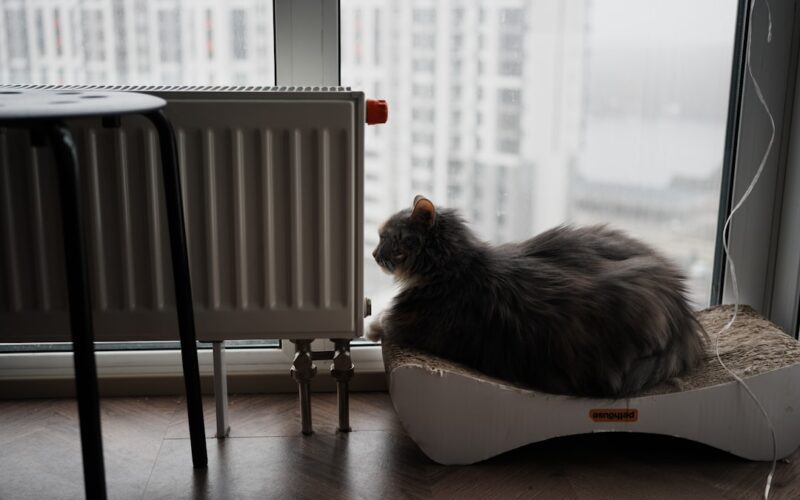
- Radiator reflectors: foil panels behind radiators on external walls reflect heat into the room. £10-20 for a roll.
- Bleed radiators: air trapped in radiators reduces efficiency. Bleeding is a 5-minute job with a radiator key (£2).
- Don’t block radiators: furniture in front of radiators traps heat behind it. Move sofas and curtains away.
- Clean radiators: dust on radiators reduces heat transfer. Vacuum and wipe quarterly.
Cooking for warmth
Cooking that uses the oven adds substantial heat to the flat. Strategic cooking patterns can supplement heating:
- Use the oven for slow-cook winter meals (stews, roasts, baking) and leave the door open after cooking to release residual heat.
- Cook one-pot meals on the hob in the evening; the steam and warmth add to the room.
- Avoid cooking just before going to bed; the heat is wasted during sleeping hours when temperatures should be lower anyway.
Heating only when needed
Many flats heat reflexively rather than responsively. Some practical interventions:
- If you’re going to be away for the day, don’t pre-heat the flat, accept it’ll take 30 minutes to warm up when you return.
- If you’re only home for an hour in the evening, heat less or use a small portable heater for one room.
- If you’re sleeping for 8 hours, the flat doesn’t need to be 20°C, 17°C is fine for sleeping warm under a duvet.
The portable heater question
Portable electric heaters get bad press but in specific situations they can save money:
- If you’re using only one room for several hours, heating that room with a small (1500W) electric heater can be cheaper than heating the whole flat with gas.
- If your bedroom needs supplementary heat for a few hours in the evening, a small oil-filled radiator is efficient.
- Avoid: large electric heaters used as primary heating (extremely expensive electricity bills).
Related: Reducing Apartment Utility Bills: A 12-Month Plan
The annual maintenance
Before each winter, basic maintenance pays back substantially:
- Bleed all radiators (5 minutes total for a flat).
- Check thermostat programming.
- Inspect window seals and replace draught tape if degraded.
- Make sure curtain rods can support heavy curtains.
- Test radiator reflectors are still in place.
This 30-minute autumn check ensures the heating system is ready for the cold months.
Related: Smart Home Energy Habits Without the Smart Home
The cumulative effect
A tenant who implements the interventions in this article can reasonably expect winter heating costs to drop by 25-40 percent without significant comfort impact. For a typical UK flat with £800 winter heating, that’s £200-320 saved per winter.
The carbon savings are similarly meaningful, typical UK gas heating reductions translate to 500-1000 kg CO2 saved per winter.
The setup costs (curtains, draught excluders, reflectors) total around £100-200, paying back within a single winter. Subsequent winters are pure savings.
Related: The Renter’s Guide to Low-Flow Showerheads
The energy math in one table
| Key point | What it means in practice |
|---|---|
| Living room (occupied, evening) | 19-20°C. |
| Bedroom (sleeping) | 16-18°C. |
| Bathroom (during use) | 21-22°C (acceptable spike). |
| Unused rooms | 16°C minimum to prevent damp. |
| Whole flat when out | 14-16°C. |
A note on imperfection
Anyone who tries to live more sustainably for any length of time will encounter the same realisation: perfection is impossible, and trying for it produces burnout faster than it produces results. The articles, podcasts, and social media accounts that promise zero-waste, fully-circular, completely-aligned-with-values living are almost always either dishonest or describing a privileged minority who can afford the time and money required to even approximate it.
The realistic version of sustainable practice tolerates a generous proportion of imperfect choices. Some weeks the shopping is a delivery order rather than a careful bike trip to the greengrocer. Some Saturdays involve a long drive to see family. Some months involve a flight that genuinely could not be avoided. The pattern across years is what shifts the environmental footprint, not the perfect adherence to any specific week. A household that is genuinely 60 percent of the way to a low-impact baseline is dramatically better than one trying to be 100 percent for six weeks and then quitting.
Sources and further reading
Frequently asked questions
For health, 16°C is the minimum recommended for occupied spaces, dropping to 14-15°C in unused rooms. Below this, damp and mould risk increases.
Yes. The common myth says continuous low heating is cheaper; the reality is that scheduled heating cycles save 20-30 percent vs. continuous low heating.
Yes, for sleeping. Heating a bed (around 200W for an hour to pre-warm) is dramatically cheaper than heating a whole bedroom overnight.
Marginal benefit over a basic programmable thermostat. The biggest savings come from the programmed schedule, which most flat thermostats already support.