Communal energy in an apartment block is the utility spend nobody looks at. Lobby lights, corridor heating, plant-room pumps, external floodlights, and stairwell radiators together account for 30 to 45 percent of a typical block’s total energy consumption, and most of it is billed to the service charge without any resident having ever asked what is actually running. A one-weekend resident audit routinely uncovers three to five spending items that were installed for one purpose in 2004 and never reviewed since, running 24 hours a day at the residents’ collective expense.
This guide covers how to organise the audit, what to look for, and how to present findings to the managing agent in a form they will act on. The template has been used successfully by resident groups in London, Manchester, and Edinburgh; the principles work in any leasehold or resident-owned block.
Why residents can run the first audit
Professional energy auditors are useful but expensive (£1,500 to £4,000 for a mid-sized block) and their findings often mirror what a resident walkthrough would find in three hours. The correct sequence:
- Resident audit first, findings sent to management.
- Management implements the free and low-cost fixes.
- If further capital investment is being considered (insulation, lighting retrofit, plant upgrade), then commission a professional survey.
The resident audit is the highest-return step because it addresses the “control and schedule” layer where the biggest waste hides. That layer is invisible to anyone not walking the building at odd hours.
The walkthrough checklist
Take 2 to 3 residents, a clipboard or phone notes, a torch, and 90 minutes. Walk the building in this order:
- Main lobby and entrance. Lighting: what bulbs, what wattage estimated, are they on continuously or on sensors? Heating: is a radiator running when the door constantly opens? Automatic doors: are they still auto-opening after the pandemic-era rules were dropped?
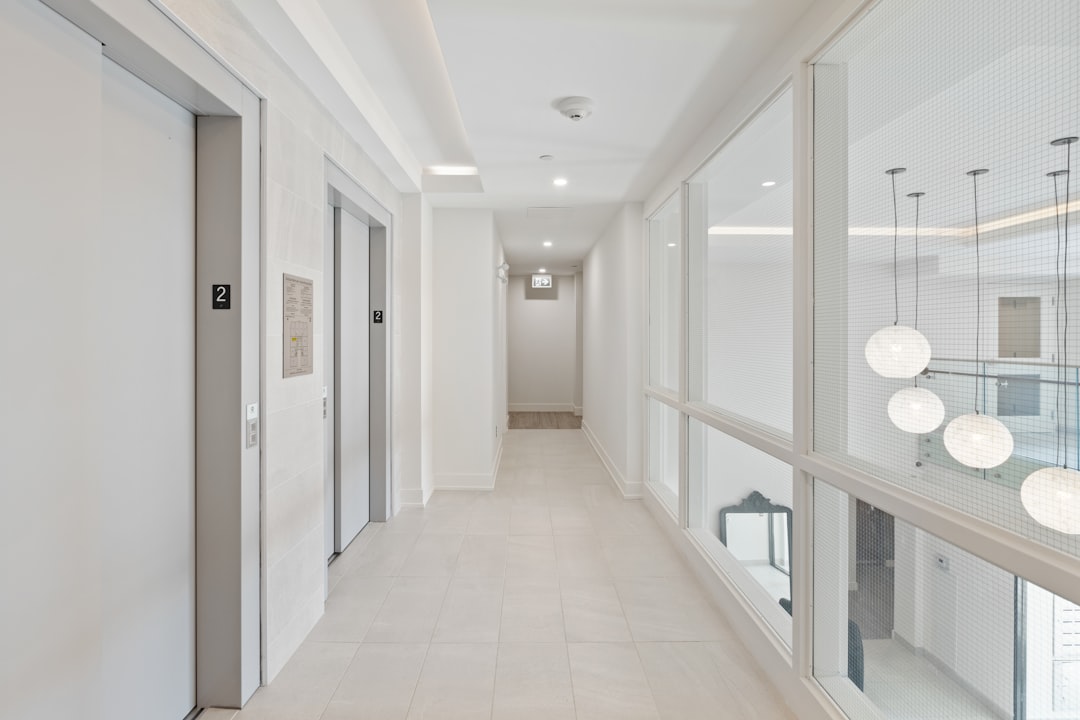
- Each corridor floor by floor. Corridor lighting on constant or sensor? What bulbs are fitted? Are any radiators noticeably warm in warm weather (stuck-open TRVs are common)? Are stairwell doors closing properly to hold heat?
- Basement or plant room, if accessible. Communal boiler flow temperature. Are pipes lagged? Are any pumps running that residents cannot identify? Communal hot water tank temperature (60°C is legionella-safe; higher wastes energy).
- External areas and car park. Are floodlights on all night? Are car-park lights on sensors or timers? Are pool or spa systems (where applicable) heated 24/7 or scheduled?
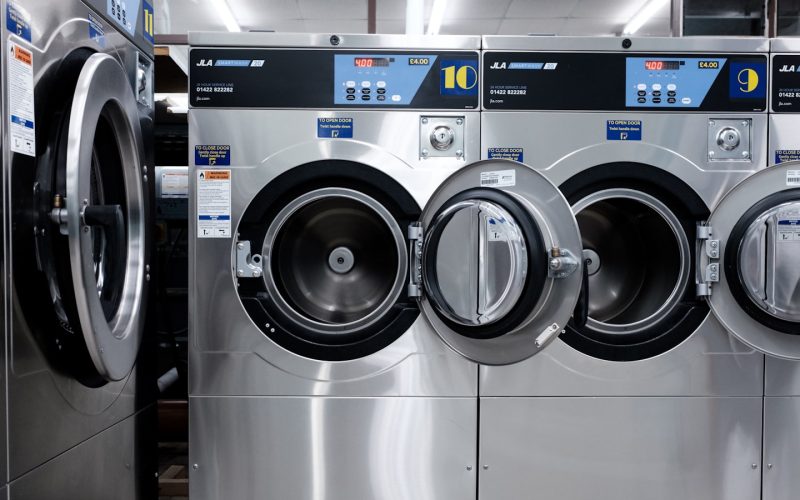
- Bin store, laundry room, gym, other amenity rooms. Lights on continuous? Heating running? Extractor fans running even when empty?
Note each issue with the exact location so the managing agent can find it.
The four fixes that pay back inside a year
Almost every block audit finds at least two of these:
- Communal lighting to LED with PIR sensors. A corridor of 20 fluorescent tubes on 24/7 uses roughly 4,000 kWh a year. Same corridor on LED with motion sensors uses under 400 kWh. Payback is typically under 18 months on materials, faster on the labour saved from tube replacements.
- Lobby-heating schedule. A lobby radiator does not need to run overnight or on hot summer weekends. Fitting a simple time-and-thermostat controller costs £150 to £300 and saves £400 to £900 a year in a large lobby.
- Communal boiler flow-temperature reduction. Same principle as the flat-level advice: dropping communal boiler flow from 80°C to 60°C saves 8 to 12 percent of gas.
- External floodlight timers. A dusk-to-dawn photocell plus a schedule that turns lights off at 01:00 saves 30 to 40 percent of the runtime and removes a common resident-complaint source (light spill into ground-floor bedrooms).
Related: The Building Newsletter Sustainability Corner covers how to write up the findings for other residents in a way they will read.
Presenting findings to the managing agent
Format that works:
- One-page summary of the walkthrough (2 or 3 residents’ names, date, findings list).
- A table of specific items with location, estimated current waste, proposed fix, and estimated payback.
- A request for the last two years of communal utility spend, so residents can validate the payback assumptions.
- A polite request for a response within 30 days, with specific next actions.
Send by email with a hard-copy version posted to the agent’s office. This creates a paper trail residents can escalate if needed.
Handling likely pushback
Managing agents typically respond in one of three ways:
- Cooperative. “Thanks, we’ll look into these.” Follow up in 30 days with specific asks.
- Defensive. “This is beyond your remit.” It is not; leaseholders have a legal right to reasonable service-charge scrutiny in most jurisdictions.
- Passive. No response. Escalate through the resident association or, in the UK, an RTM enquiry.
Most agents respond cooperatively when the resident group looks organised and prepared. The audit report is what makes them look organised.
Quick reference: the audit in one table
| Where to look | What waste to find |
|---|---|
| Main lobby | Continuous lighting, unnecessary heating, un-throttled auto-doors |
| Each corridor | Constant-on lights (not sensor), fluorescent tubes, stuck radiators |
| Plant room | Boiler flow > 65°C, unlagged pipes, unidentified pumps |
| Bin store / laundry | Lights on continuous, extractor fans always running |
| Car park / external | Floodlights running all night; no schedule |
| Pool / spa / gym | Heating running when the amenity is closed |
The follow-through
An audit only saves money if the recommendations become work orders. Two things that make follow-through happen:
- Publishing the findings and the agent’s response in the residents’ newsletter or noticeboard. Public accountability moves things faster.
- Repeating the audit in six months. If nothing has been actioned, the report is now a pattern, not a one-off, and the AGM has a topic.
Most blocks that run one audit continue to run them annually because the payback is obvious and residents notice their service charge stops increasing at inflation rate. Communal energy is the largest single line item most residents have never scrutinised. A weekend of walking finds most of what a professional would in three hours, and the fixes save real money for the whole block for as long as anyone lives there.
Sources and further reading
Frequently asked questions
Not for the first pass. A resident walkthrough with a checklist finds most of the visible issues: always-on lobby heating, corridor lights that never turn off, communal-area lighting still on incandescent bulbs, unlagged pipes in the plant room. Professionals become worthwhile once the easy wins are exhausted.
Depends on the service-charge structure. In most UK leasehold blocks, communal electricity is billed to the service charge fund and every leaseholder pays proportionally. Savings therefore reduce next year's service charge. Ask the managing agent for the last two years of communal utility spend before starting; the number is usually surprising.
UK research on residential blocks suggests a 15 to 25 percent reduction in communal energy consumption from purely non-capital measures (schedules, sensors, controls, bulb swaps) is realistic. On a £8,000 to £15,000 annual communal energy bill for a mid-sized block, that is meaningful.
Send a formal RTM (Right to Manage) enquiry in the UK, or the equivalent in your jurisdiction. Managing agents almost always cooperate once residents demonstrate that they know the specific spend items and are prepared to escalate. The audit findings are the leverage.