
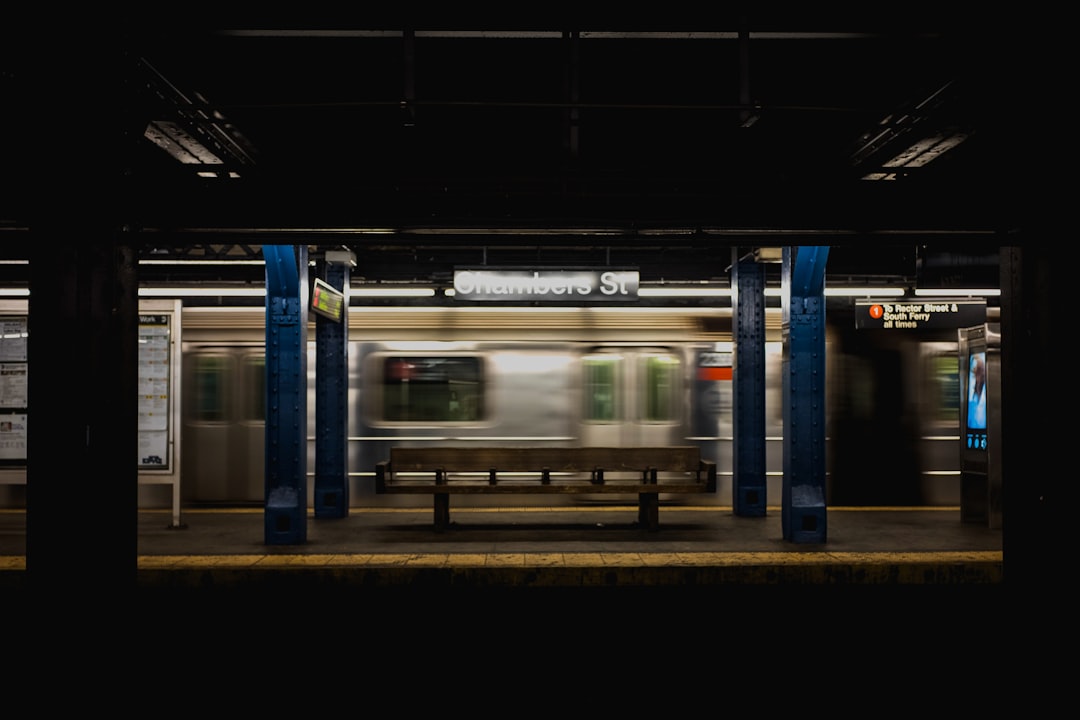
Peak-hour transit is a habit the pandemic broke and most cities never really recovered. Trains are still fullest between 07:30 and 09:30 and again 17:00 to 19:00, and fares are still highest in those windows. If your work allows any flexibility, shifting the start of your day by 45 to 90 minutes can lower your fare by roughly a quarter, drop the crowd load to a fraction, and add back a chunk of usable time at home. This guide covers what the shift looks like in practice, how to negotiate it, and where it stops working.
None of the following requires a full remote arrangement. It is about the specific hour you leave home.
What off-peak actually saves
Cost, cover, comfort:
- Fare. London TfL off-peak pay-as-you-go is roughly 20 to 30 percent lower than peak on the same tube journey. New York MTA off-peak differences are smaller but still present on commuter rail. Paris RER, similarly, has cheaper single fares outside peak.
- Space. A 10:15 tube from a zone 3 station in London routinely runs at about 40 percent of the 08:15 loading. That is not a marginal comfort difference. That is being able to sit, read, and get off the train less depleted.
- Time. The commute itself does not always get faster, but the queuing at the barrier, the wait for a train you can board, and the recovery time on arrival all shrink.
What “off-peak” actually means, city by city
Definitions vary; check current bands before you plan:
- London (TfL). Peak: 06:30 to 09:30 and 16:00 to 19:00 weekdays. Off-peak: everything else and all weekends.
- New York MTA. Peak refers mainly to commuter rail (LIRR, Metro-North), roughly the rush windows. Subways are flat-fare.
- Paris IDFM. Métro is flat-fare inside Paris; commuter rail bands vary.
- Delhi Metro. Discount fares apply Monday to Saturday between 08:00 to 12:00 and 17:00 to 21:00 depending on line; check the current DMRC schedule.
The point is not the exact times. The point is that most transit systems build in a fare or crowd incentive for shifting, and most riders never take it.
Related: Is a Monthly Transit Pass Actually Worth It covers the fare-cap versus pass calculation, which changes at off-peak volumes.
How to negotiate a shifted start time
Most managers will accept a small shift if the request is specific and time-bounded. What works:
- Propose a 45 to 90 minute shift, not a full remote day. Small changes attract small resistance.
- Bring the cost figure. A £40 to £70 monthly fare saving over a year is £480 to £840. That framing gets attention.
- Ask for a six-week trial. Bounded experiments are much easier to approve than permanent policy changes.
- Offer to overlap the team’s core hours. A 09:45 start with a 17:45 finish still covers standard meeting windows in most European offices.
Bring one screenshot of the peak versus off-peak fare from your transit provider. The rest of the case usually writes itself.
Setting up the new rhythm
The mistake is treating the shifted hour as free time. It is not; it is an earlier bedtime for the same total hours, or an earlier wake for a different use of the morning. Two setups that work:
- The morning trade. Wake at the same time, use the 45 minutes at home for something specific (workout, breakfast without rush, one focused task) before leaving on the 10:00 train.
- The evening trade. Leave home 45 minutes later, extend the evening at the desk by 30 minutes and gain a real weekday hour at home in daylight, useful for anyone with a garden, a kid, or a hobby.
Both setups take about two weeks to stabilise. The pattern feels wrong for the first four or five days and then settles.
Where the strategy breaks
Honest failure modes:
- Client-facing roles with fixed daily start-of-business meetings. Shifting even 30 minutes is disruptive here.
- School-run parents. Off-peak works with older children who can travel alone, less well with early-drop preschool.
- Return train frequency. Some outer-zone lines run reduced service off-peak. Check the timetable, not just the fare band.
- Team culture that rewards early presence. If your promotion prospects are visibly hurt, no fare saving is worth it.
Quick reference: is off-peak worth trying for you
| Signal | What it suggests |
|---|---|
| Fare varies by time of day on your route | Off-peak worth pricing in. |
| Peak train is a standing crush | The comfort case alone justifies a 45 minute shift. |
| Team meetings mostly after 10:00 | Shifted start is likely approvable. |
| Off-peak return service is less than every 15 minutes | Frequency loss may cancel the fare saving. |
| Manager already offers hybrid days | Adding a shifted start is a small next step. |
Off-peak commuting is not a lifestyle change. It is a specific hour moved and a specific fare band chosen. Try it for six weeks. If the rhythm sticks, the annual saving is real and the crowd relief is more real still. If it does not, the peak train is still there tomorrow.
The cycling and walking case for off-peak
Cyclists benefit even more than transit riders. Peak-hour urban cycling puts you in the same 30-minute window as taxi shift changes, delivery HGV routes, and rushed commuter drivers. Casualty data from Transport for London suggests per-mile injury risk is roughly 40 percent lower outside the 07:30-09:30 and 16:30-18:30 windows. Walking commuters gain less crowd relief on quiet routes but see a large drop in personal-safety incidents at pinch points (station exits, narrow pavements) simply because there are fewer people to jostle at those points. Neither is a substitute for infrastructure, but both are a real reason to shift a start time.
What happens after year one
Most riders who successfully shift to off-peak find their team accommodates it permanently within a year. The savings compound: 12 months at £50 saved a month is £600, which for many people is a genuine additional holiday or half a rent month’s buffer. The comfort effect compounds too; a year of not standing on a rush-hour tube is a real quality-of-life change most people notice more than the fare number.
Sources and further reading
Frequently asked questions
On London's TfL network an off-peak-only pay-as-you-go rider saves roughly 20 to 30 percent versus peak fares. In New York and Paris the discount is smaller (about 10 to 15 percent) but the crowd relief is often more valuable than the cash.
In London peak ends at 09:30 and again after 19:00 on weekdays. In Paris off-peak begins at 09:30 outside Île-de-France, later inside. Rules change; check your provider's current banding on their website, not in a comment thread.
Ask for a fixed six-week trial with a review, not a permanent change. Managers are much more likely to approve a bounded experiment than an open-ended shift, and after six weeks the pattern usually stops being controversial.
Yes, meaningfully. Studies of London cycling casualty data show that per-mile injury rates are lower outside the 07:30 to 09:30 and 16:30 to 18:30 windows, largely because there is less HGV and taxi turnover competing for the same lanes.