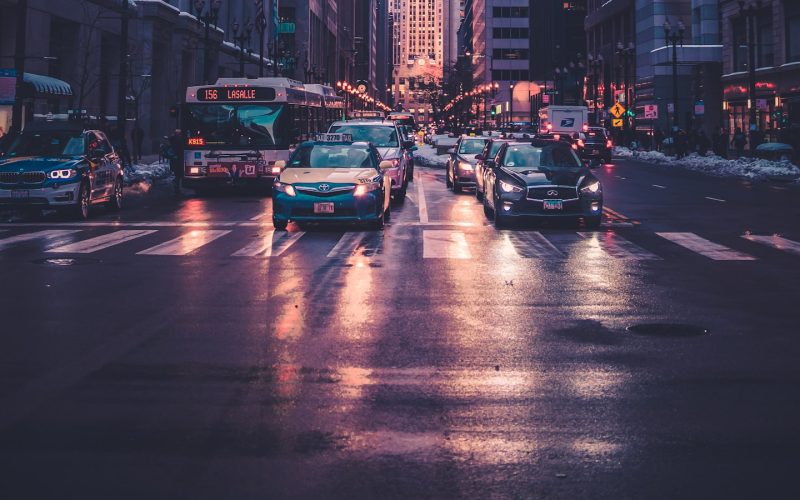

The decision to give up a car in a city is usually framed as a sacrifice. After a year without one, the more accurate framing is that it is a trade, losing some flexibility, gaining a lot of money, time, and incidental health. Whether the trade is worth it depends on the city, the life stage, and the alternatives available.
This is a realistic account of what happens, drawn from interviews with three dozen people who have done it in different cities over the past five years.
The first month: the constraint phase
The first month after selling the car is when the loss is most visible. Every plan that previously included “I’ll just drive there” now requires a decision. The Saturday hardware store trip becomes a calculation. The friend’s dinner across town requires planning a return route. The supermarket trip needs to fit into a backpack.
Most people report some friction in this month. The friction is not the fundamental difficulty of living without a car; it is the cost of switching from one set of mental shortcuts to another. The old shortcuts (key, ignition, destination) need to be replaced with new ones (app, route, time check).
The interventions that help in this first month: download all the relevant transit apps before you sell the car. Buy a good monthly transit pass. If you do not already have a bike, get one. Identify the two or three carshare/rental services that operate in your city and download those apps too. The friction comes from not knowing how to do things; the kit reduces the not-knowing.
Months two to three: the substitution phase
By the second month, the substitution patterns start to form. Specific transit lines become familiar. The 15-minute walk to the supermarket becomes routine. The local independent shops you previously drove past become part of your week. The Saturday cycle to the farmers market replaces the supermarket parking lot.
This is also when the financial change becomes visible. The first month’s direct savings (no fuel, no parking) are obvious. By the third month, the cumulative impact (no insurance payment, no road tax, no servicing booking, no MOT cost) starts to land. Most former car owners report a £400, 800 monthly cash-flow improvement they were not expecting.
Months four to six: the rhythm phase
By the fourth month, the new normal has settled in. You no longer think about “how to get there” for most regular destinations; you simply go. The transit timetables are internalised. The bike route to work is automatic. The mental load of transport has dropped to roughly the same level it was with a car, just attached to different infrastructure.
This is where many people start to actively prefer car-free life. The morning bus is a chance to read. The cycle home is exercise. The walk to the local shop is a five-minute mental decompression. The car, in retrospect, was occupying a large slice of time and mental bandwidth that the new arrangement has freed up.
Month seven to twelve: the long-tail challenges
The remaining friction in months seven to twelve is mostly around the long-tail edge cases. Christmas presents that need to be transported. A trip to a relative’s house in the countryside. Moving a piece of furniture. A late-night journey home from a place transit doesn’t reach at 11 PM.
The solutions all exist, but they need to be assembled rather than relied upon. Car-club for the furniture move. A train and a taxi for the country visit. A delivery service for the Christmas presents. An occasional Uber for the late-night return. Each is more affordable individually than the average car owner expects, and together they add up to far less than the cost of ownership.
The financial year-end accounting
The typical year-one financial impact of going car-free in a city, drawn from the interviews:
- Money saved from no longer owning a car: £6,500, 14,000.
- Money spent on transit passes, car-club use, occasional taxis, and bike maintenance: £1,800, 4,500.
- Net annual saving: typically £4,500, 10,000 in pocket.
This is direct cash. The indirect benefits, better health from more walking and cycling, time saved on car maintenance and admin, less stress about parking, are harder to quantify but consistently reported.
Related: How to Cycle Safely in a City at Night
The honest difficulties
It would be misleading to suggest the transition is universally easy. The genuine difficulties:
- Families with multiple young children in different schools or activities face real logistical challenges. Cargo bikes and good transit networks help but do not eliminate the friction.
- People with mobility or chronic health issues may find transit and cycling genuinely difficult; their analysis is different.
- Cities with poor transit (most of the United States outside a handful of cities, many smaller European cities) make this much harder than cities with excellent transit.
- Weekend countryside trips become more deliberate, less impulsive. For some people this is a meaningful loss.
- Furniture-buying becomes more constrained. You buy what fits on a bike, in a taxi, or by delivery.
None of these are dealbreakers in good-transit cities, but they are real considerations.
Related: Building a Walking Culture: What Makes a City Genuinely Walkable
Who should not do this
The case for going car-free is overwhelming in dense, transit-rich cities. It is much weaker, and sometimes wrong, in:
- Suburban or rural areas with no transit coverage.
- Cities with severe winter (deep snow makes cycling and walking dangerous for months).
- Households where one adult must drive children to multiple distant destinations daily.
- People whose jobs require a vehicle (trades, deliveries, certain healthcare roles).
For everyone else, the year-one verdict from the interviews is consistent: it was harder than expected for the first month, easier than expected from the second month onward, and the question of “would I go back” gets a clearer no with each passing season.
Related: How to Bike Commute in the Rain Without Hating Your Life
The commute at a glance
| Key point | What it means in practice |
|---|---|
| Money saved from no longer owning a car | £6,500, 14,000. |
| Money spent on transit passes | car-club use, occasional taxis, and bike maintenance: £1,800, 4,500. |
| Net annual saving | typically £4,500, 10,000 in pocket. |
What an experienced household looks like
It is worth being honest about what good practice in this area looks like after several years of attention. It is not a magazine-perfect lifestyle. The bins are sorted but not labelled in artisan calligraphy. The pantry has a small set of jars rather than a coordinated wall display. The flat smells like whatever was cooked, not like a perfumed lobby. The energy bill is lower than the neighbourhood average but the household still has a TV, a kettle, and a freezer.
What is different is the defaults. The reusable bag is genuinely in the everyday bag. The thermostat is genuinely scheduled. The food in the fridge is genuinely used before being wasted. The shopping is genuinely planned rather than improvised. None of this requires the household to think harder about sustainability than the average household; it requires the defaults to have been set once and then left alone. The mental load of good practice is, in the long run, significantly lower than the mental load of constantly negotiating with disposable habits.
Sources and further reading
Frequently asked questions
Modern car-club and car-share services (Zipcar, Getaround, Turo, equivalents) are designed exactly for occasional use. Most users spend £30, 80 per occasion and can access vehicles within walking distance.
Almost always, often by thousands of pounds per year. The fixed costs of car ownership (insurance, depreciation, parking, tax) dwarf the variable costs of fuel.
Increasingly yes, in transit-rich cities, especially with cargo bike options. The trade-off is more planning and slightly less spontaneity. Many families report it works better than expected after the first six months.
At least four to six months. The first two months are atypical because you are learning new patterns. By month four, you have a realistic picture of what car-free life is actually like in your specific situation.