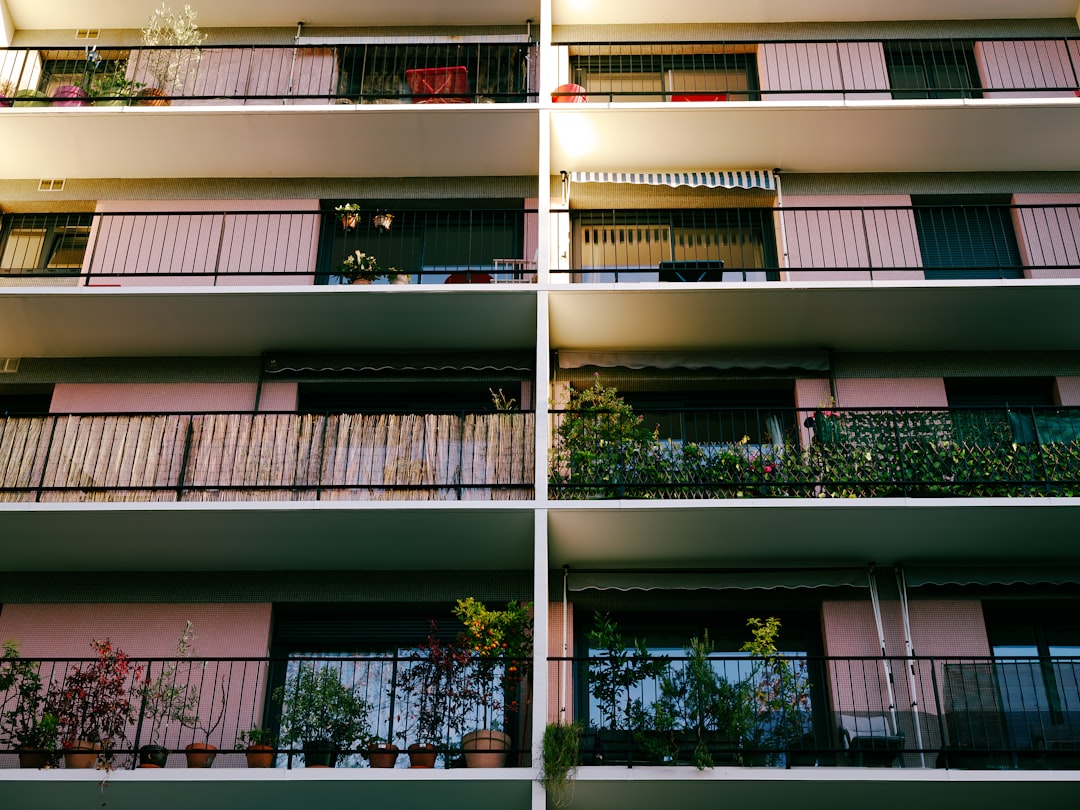
City balconies get sold as small edible gardens in glossy magazines, then buried under moss and forgotten window boxes by August. The realistic version is smaller, calmer, and largely herbs. This guide describes what a two-square-metre balcony can actually grow in a first year, how much it costs to set up, and the six plants that survive renter conditions without permanent alterations to the building.
Assume a balcony that fits two adults standing shoulder-to-shoulder. Assume no drilling. Assume watering can be done twice a week most of the year and once a day in July.
What two square metres will actually hold
Two square metres is roughly the floor of a small bathroom. Once you allow standing room and a chair, you have about 1.2 square metres of container space along the two long sides. In practical terms:
- Six standard 30 cm terracotta or plastic pots (about 15 litres of compost each), or
- Three long troughs (60 cm each, about 25 litres of compost), or
- A mixed shelf tower plus two floor troughs, which is what most renters end up with.
Do not spread beyond that. First-year balconies fail from overcrowding more than from any pest or weather event, and shifting sixty litres of soaked compost off a balcony in October is a job you will remember.
The six plants worth prioritising
These six survive renter conditions, tolerate irregular watering, and reward the space they take up.
- Basil. One 15 cm plant produces continuous leaves from May to September. Pinch the tops weekly to keep it bushy, not tall. Bring indoors when nights drop below 10°C.
- Mint. Aggressive, so give it its own pot or it will strangle everything else. Cut hard three times a summer for tea and pasta.
- Rocket and cut-and-come-again salad mix. Sow directly into a shallow trough every three weeks from March to September. First cut in 25 to 30 days.
- Cherry tomatoes. One trailing variety in a 30 litre pot yields roughly 2 kg of fruit across the summer if you feed weekly with a diluted tomato feed from July.
- Chives. A single 20 cm pot lives for years, tolerates being ignored for a week, and flowers early for pollinators.
- Strawberries. A hanging basket of three plants produces around 300 g of fruit in the second season. Not a lot, but you eat them warm off the plant, which supermarket strawberries do not do.
Container and setup cost, first year
Realistic first-year outlay:
- Six containers with matching saucers, £45 to £70 total.
- 60 litres of container compost, £14 to £20 delivered.
- Plants and seeds for the shortlist above, £25 to £40.
- One watering can and one small hand fork, £15.
- Optional: rail-clip pots for the edge, £20 for a pair.
Budget £120 to £160 for a well-equipped first year. After that it is £30 to £50 annually for compost top-ups and seasonal seeds.
Related: Apartment Plant Corner Urban covers indoor plants for the corner of a small living room, which pairs well with a herb-heavy balcony plan.
Watering, the thing that actually kills balconies
Containers dry out fast because they heat on all sides. In July a 15 litre pot in full sun will need water every day. A trough drying out repeatedly is the fastest way to kill basil, salad, and strawberries. Two low-effort options:
- Self-watering troughs with a reservoir at the base, roughly £25 each. They halve summer watering visits.
- An olla, an unglazed terracotta cone that seeps water slowly into the soil, £8 to £12. Fill weekly.
Either lets you skip a day in July without losing everything. Both matter more than the plants themselves.
Winter, and the second season
Most balcony ambitions die in October. What survives naturally: chives, mint (dies back, returns in spring), young rocket, hardy salad leaves under a cloche. Bring basil, tomato pots, and strawberries indoors or the plants finish. Empty and store any glazed ceramic pots that will crack in a hard frost.
The second year is easier and cheaper because you already own the containers, know what light the balcony gets when, and have a watering rhythm. Most renters who keep the balcony past year one keep it for the rest of the tenancy.
Where balcony gardening quietly fails
Three failure modes worth naming so you can spot them early:
- North-facing balcony with under 3 hours of direct sun. Tomatoes and strawberries will not fruit meaningfully. Stick to herbs and salad, which cope with partial shade.
- Wind exposure above the fifth floor. Tall plants get shredded. Choose bushy varieties (basil, chives) over anything staked (peas, taller tomato varieties).
- Cat visits from neighbouring balconies. Cats dig in fresh compost. A layer of small stones on top of the pot solves it.
None of these ends the project. They just steer the plant list.
Quick reference: what to try first
| Plant | What it needs | What you get |
|---|---|---|
| Basil | 15L pot, 5+ hrs sun, weekly pinching | Fresh leaves from May to September, ~£30 of shop basil equivalent |
| Chives | 20cm pot, any light, minimal care | Perennial return, small pollinator flowers |
| Salad mix | Shallow trough, resown every 3 weeks | First cut 25-30 days, continuous summer supply |
| Cherry tomatoes | 30L pot, 6+ hrs sun, weekly feed from July | ~2 kg fruit across summer |
| Strawberries | Hanging basket, sun, patient winter care | ~300 g in second season, warm off the plant |
Two square metres will not feed anyone through the winter. That is the wrong measure. What it can do is produce a summer of fresh basil, a season of salad you did not buy in plastic, and one warm strawberry a week for a few months. That is genuine value, at genuine renter scale.
The one small experiment worth trying first
Rather than commit to six pots and £150 in year one, buy a single 15 litre pot, a bag of compost, and one healthy basil plant from a supermarket in April. Put it in the sunniest spot on the balcony. Water when the top 2 cm of soil is dry, pinch the tops weekly. If that one plant survives to September and you enjoyed it, invest in the rest next spring. If it died in July, learn why (missed watering, wrong spot, wind exposure) before scaling up. A £6 experiment answers the question a £150 setup asks the wrong way.
Sources and further reading
Frequently asked questions
Around 60 to 100 litres of container compost, enough for six medium pots or three deep troughs. Buy in one delivery to avoid carrying multiple 20-litre sacks up four flights.
Watering, not sunlight. City balconies dry out much faster than a garden bed because containers heat on all sides. Assume once-daily watering in summer and set a phone reminder for the first fortnight.
For anything drilled into the wall or railing, yes. For freestanding planters or clip-on rail hooks that leave no mark, usually no, but check the lease clause on external appearance. Weight matters too: a 30-litre pot full of wet soil is roughly 40 kg.
Only on herbs. A £3 basil plant replaces roughly £30 of supermarket packs across one summer. Tomatoes and salad leaves break even at best once you count compost, water, and time. Grow food for freshness and taste, not the maths.