The plant-shop industrial complex has, over the past five years, sold a lot of fiddle-leaf figs to people whose flats genuinely cannot keep them alive. Then comes the slow death, the slow guilt, and the slow drift away from houseplants altogether.
The good news: most city flats can support a beautiful, low-maintenance plant corner. You just need to design the corner around the light you actually have, the time you actually have, and the plants that can absorb both.
Step one: read the light
Before buying anything, sit in the spot you want to put plants and watch the light for one whole day. Note when the sun touches that area directly (if ever) and when it is in bright shade. Most city flats fall into three categories:
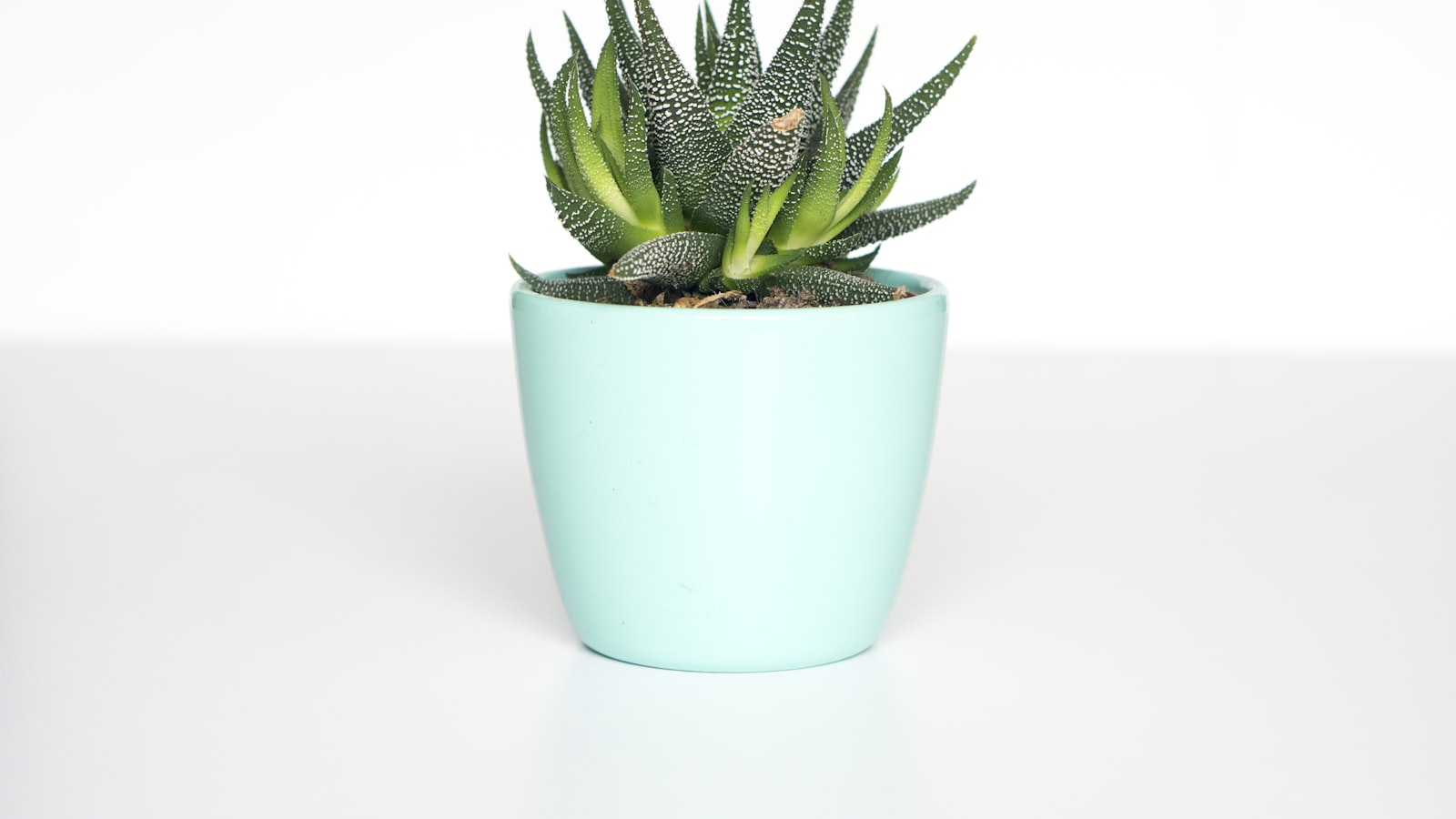
- South-facing window, direct sun for most of the day: high-light plants (succulents, herbs, citrus, ficus).
- East or west window, direct sun for one to three hours: medium-light plants (pothos, philodendron, peace lily, monstera).
- North-facing window or interior wall, bright shade only: low-light plants (snake plant, ZZ plant, cast-iron plant, pothos again).
Most plant deaths in city flats are mismatches between the species and the light. Get this right and the rest is comparatively easy.
Step two: pick four reliable starters
A good first plant corner is not seventeen species. It is four solid plants in four good pots, arranged at varying heights. Suggested starters by light level:
- Low light: snake plant, ZZ plant, cast-iron plant, pothos.
- Medium light: pothos, monstera (small), philodendron, peace lily.
- High light: a small ficus, a rosemary, an olive tree, a string-of-pearls.
Buy small. A small plant adapts to your light better than a large one. Pay for the soil and the pot, not the plant size, the plant will catch up within a season if everything around it is good.
Step three: build the corner in layers
A corner of three matching pots all at the same height reads as a row, not a corner. The trick is layering. A floor-standing plant on the left at roughly head height. A medium plant on a side table or stack of books in the middle, at chest height. A small plant at the front on a window ledge or low stool. The eye reads this as a tableau.
Mix textures. A spiky snake plant, a soft trailing pothos, and a glossy round-leafed peperomia in the same group will look interesting from any angle. Three plants of the same shape will look monotonous within a week.
Step four: the watering routine that actually works
Almost all plant deaths in flats are caused by overwatering, not underwatering. The fix is a routine that lets the soil dry between waterings. Touch-test the top inch of soil with a finger. If it is dry, water. If it is moist, wait. This will, for most flats, mean watering once every seven to ten days, not the daily ritual the gardening internet implies.
When you do water, water deeply. Fill the pot until water runs out of the drainage holes. Empty the saucer. Walk away. Light, frequent waterings keep the surface wet and the roots dry; deep, infrequent waterings train the roots downward and produce a stronger plant.
Step five: a quarterly reset
Every three months, do a small plant-care morning. Wipe the leaves of each plant with a damp cloth (dust is the silent killer of indoor photosynthesis). Rotate each pot a quarter turn so growth stays even. Check for pests under the leaves. Add a half-dose of liquid fertiliser. Move any plant struggling for light closer to a window.
That quarterly cadence keeps the corner alive without making plants a daily chore. It also means the corner never crashes, small issues get caught before they become emergencies.
Pets and toxicity
If you live with cats or dogs, check the toxicity of every plant before bringing it home. Several of the most popular city houseplants, peace lily, pothos, philodendron, monstera, ZZ plant, are toxic to pets. Safe alternatives include spider plant, parlour palm, calathea, prayer plant, and many of the herb family. The substitution is usually easy; you just have to make it before the plant is in the flat.
Related: Green Cleaning Products for City Apartments, Tested in Real Flats
What to do when one dies
Houseplants die. It is not a referendum on your character. When one fails, take a moment to ask whether the cause was light, water, or pests. Replace the plant if you want to, but consider whether the corner needs a different species in that spot. A snake plant where a fern struggled is not defeat; it is calibration.
Related: Reducing Waste in a Tiny Kitchen Without Losing Your Mind
The longer game
After a year of stable care, you can expand. Add a second corner. Start herbs on the kitchen windowsill. Experiment with propagating, most pothos and philodendron cuttings root in a jar of water within two weeks and produce free new plants. Trade cuttings with neighbours.
The point of the plant corner is not to be photographed. It is to bring a slow biological rhythm into a fast urban week, and to make the flat feel like something that grows.
Related: Furnishing a City Apartment Second-Hand (Without Looking Like a Skip)
At a glance
| Key point | What it means in practice |
|---|---|
| South-facing window, direct sun for most of the day | high-light plants (succulents, herbs, citrus, ficus). |
| East or west window, direct sun for one to three hours | medium-light plants (pothos, philodendron, peace lily, monstera). |
| North-facing window or interior wall, bright shade only | low-light plants (snake plant, ZZ plant, cast-iron plant, pothos again). |
A note on imperfection
Anyone who tries to live more sustainably for any length of time will encounter the same realisation: perfection is impossible, and trying for it produces burnout faster than it produces results. The articles, podcasts, and social media accounts that promise zero-waste, fully-circular, completely-aligned-with-values living are almost always either dishonest or describing a privileged minority who can afford the time and money required to even approximate it.
The realistic version of sustainable practice tolerates a generous proportion of imperfect choices. Some weeks the shopping is a delivery order rather than a careful bike trip to the greengrocer. Some Saturdays involve a long drive to see family. Some months involve a flight that genuinely could not be avoided. The pattern across years is what shifts the environmental footprint, not the perfect adherence to any specific week. A household that is genuinely 60 percent of the way to a low-impact baseline is dramatically better than one trying to be 100 percent for six weeks and then quitting.
Sources and further reading
Frequently asked questions
Yes, most low-light starter plants (snake plant, ZZ, pothos) tolerate two-week neglect. Pick those, water deeply once a week or every two weeks, and you will be fine without daily attention.
Most houseplants need repotting every 18, 24 months, or whenever roots circle the pot bottom. Move up one pot size, not three. Bigger pots hold more wet soil and increase root-rot risk.
For genuinely dark north-facing flats, a single full-spectrum LED grow bulb in a regular socket above the plant corner can transform results. They cost under twenty pounds and use minimal electricity.
The famous NASA studies overstated this. Plants do a little, but ventilation does much more. The real benefit of houseplants is psychological and design-related, which is reason enough.