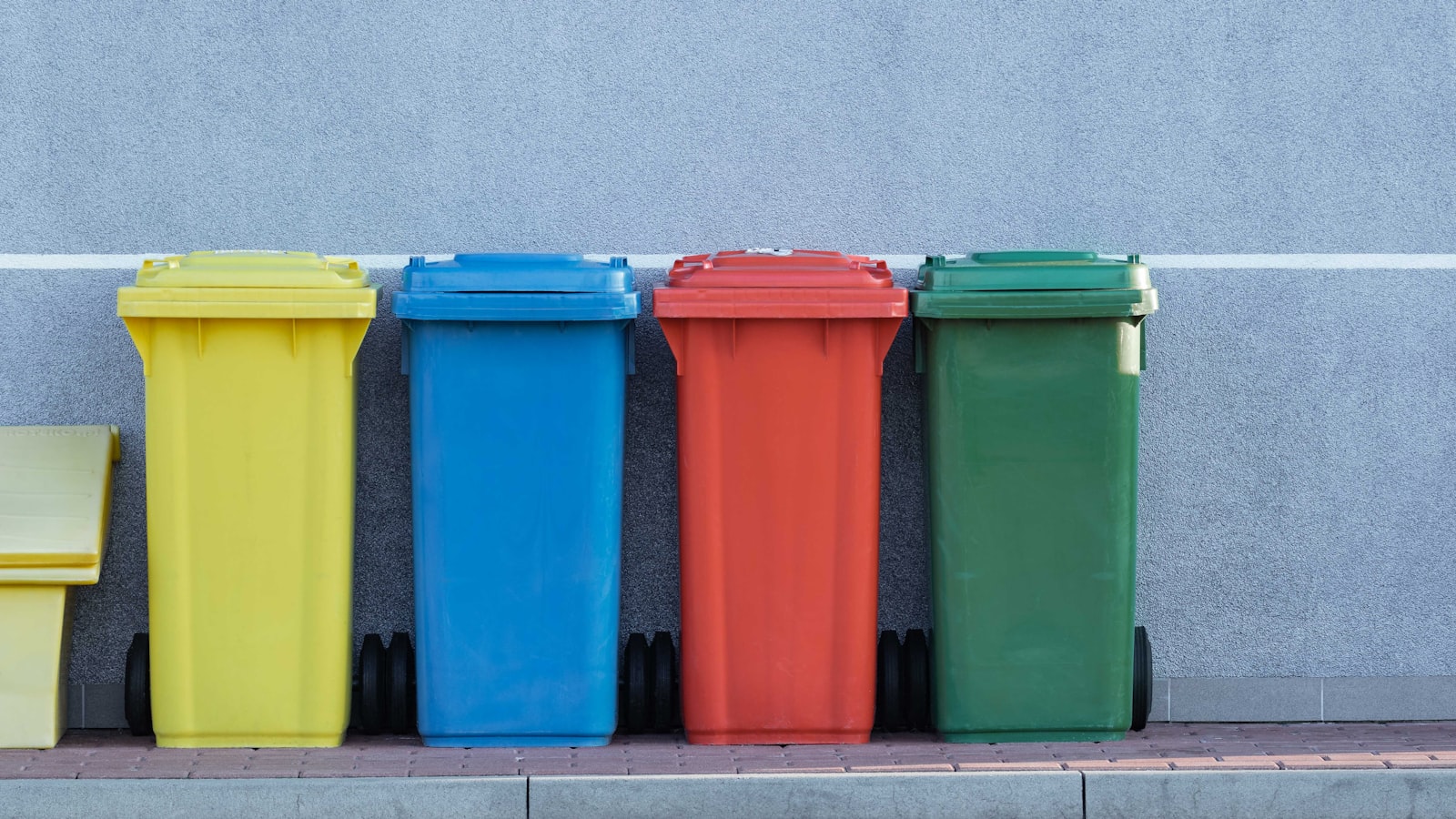
Most urban recyclers are well-intentioned but unintentionally making the system worse. Contamination, non-recyclables in the recycling bin, or recyclables too dirty to process, reduces what actually gets recycled and sometimes causes whole batches to be diverted to landfill.
This article covers the most common mistakes and how to fix them. The good news: most are easy corrections, and the cumulative impact of getting them right is large.
Mistake 1: Wishcycling
“Wishcycling” is putting an item in the recycling because you hope it can be recycled, without actually checking. The classic examples: complicated mixed-material packaging, plastic film, broken ceramics, single-use coffee cups. Most of these can’t be recycled in standard kerbside streams; putting them in contaminates the rest of the load.
The fix: when in doubt, check your council’s “yes/no” list. Default to general waste rather than wishcycling. A correctly-binned non-recyclable is better than an incorrectly-binned one that contaminates ten genuinely recyclable items.
Mistake 2: Items too dirty
Recyclables coated in food residue can’t be processed. Half a jar of peanut butter, a yogurt pot with the contents still in it, a takeaway container with curry residue, all need cleaning before recycling, or they go to landfill.
The fix: a quick rinse is enough. Use the dishwater after washing up. You don’t need to wash recyclables like dishes; you need to remove substantial residue. Five seconds with the brush is sufficient.
Mistake 3: Plastic bags and film
Plastic bags, cling film, and other soft plastics are essentially never recyclable in kerbside collections. They tangle in sorting machinery, contaminate other materials, and cause genuine operational problems. Yet they end up in recycling bins constantly.
The fix: collect soft plastics in a separate bag at home. Take them to a supermarket front-of-store soft-plastic collection point (most major chains have them). Never put them in kerbside recycling.
Mistake 4: Black plastic
Black plastic is technically recyclable but most optical sorting machines can’t detect it. As a result, black plastic ends up in general waste regardless of which bin you put it in. Some councils now ask for it to be put in general waste directly.
The fix: check your council’s guidance specifically. Default to general waste for black plastic unless your council confirms it’s processed.
Mistake 5: Disposable coffee cups
Single-use coffee cups look like paper but have a thin plastic lining that makes them unrecyclable in most paper streams. Putting them in cardboard recycling contaminates the batch.
The fix: separate collection points for coffee cups exist at most major coffee chains and some workplaces. Use those, or put cups in general waste. The better fix: bring a reusable cup.
Mistake 6: Shredded paper
Shredded paper is technically recyclable but the small pieces are too small for optical sorting machines, which sort by particle size. Shredded paper bagged in plastic is particularly problematic.
The fix: put shredded paper in compost (excellent worm bedding) or general waste rather than recycling. If you have a lot, some specialised facilities accept it; check locally.
Mistake 7: Tissues and kitchen roll
Tissues, kitchen towel, and napkins look like paper but have fibres too short to recycle. They also often have contaminants (food, mucus, cleaning products).
The fix: compost where possible (paper towel used for non-greasy cleaning composts well) or general waste. Never put used tissues in paper recycling.
Mistake 8: Pizza boxes
The grease question is genuinely confusing. Most councils now accept lightly-soiled pizza boxes in cardboard recycling. Heavily-greased portions (where the grease has soaked through the cardboard) should be cut off and composted or put in general waste.
The fix: tear the box in half. Recycle the clean half. Compost or bin the greasy half.
Mistake 9: Bottle caps
Different councils have different rules about bottle caps. Some want them on the bottle, some want them off, some want them in a separate stream. The wrong choice can either lose caps to the void (too small for sorters) or cause sorting issues.
The fix: check your council’s specific guidance. As a default, leaving caps on plastic bottles (with the bottle squashed and cap loosely screwed back on) works in most modern systems.
Mistake 10: Mixed-material packaging
Sleeves with windows, juice cartons (Tetra Paks), foil-lined paper, plastic-coated cardboard, all are mixed materials that most kerbside streams can’t separate. They contaminate whichever stream they’re put in.
The fix: separate components where possible (remove plastic windows from sleeves, for example). For Tetra Paks, check if your council has separate collection; if not, general waste. Avoid mixed-material packaging when shopping if alternatives exist.
Mistake 11: Putting recyclables in bags
Putting recyclables in a tied plastic bag prevents sorters from accessing them. The whole bag often gets diverted to general waste rather than being opened.
The fix: empty recyclables loose into the recycling bin. If you need to transport from your flat to a bin store, use a reusable container or open paper bag rather than a tied plastic bag.
Mistake 12: Lithium batteries in general waste
Lithium batteries (in vapes, small electronics, some toys) are extremely dangerous in general waste, they cause fires in collection trucks and processing plants. Yet they’re routinely binned with general rubbish.
The fix: never put batteries in general waste. Take to battery collection points (most supermarkets, electronic shops, and recycling centres). This includes single-use batteries, rechargeable batteries, and any device with a built-in battery.
Mistake 13: Glass that isn’t containers
Glass bottles and jars are recyclable. Window glass, drinking glasses, mirrors, lightbulbs, and Pyrex are not, they have different melting points and chemical compositions and contaminate container glass recycling.
The fix: bottles and jars only in glass recycling. Other glass: specialised collection (lightbulbs to specific collection points) or general waste.
Related: Bulk-Bin Shopping in a City: When It Works and When It Doesn’t
Mistake 14: Trying to recycle clothing
Clothing put in regular recycling causes processing problems. Some councils accept textiles separately; many don’t. Most clothing should go to charity shops, clothing recycling banks, or specialty textile recycling.
The fix: never put clothing in kerbside recycling. Use dedicated textile collection.
Related: Reusable Products That Are Actually Worth Buying
Mistake 15: Not knowing your local rules
The single biggest cause of mistakes is assuming all recycling is the same. Rules vary dramatically between councils, what’s recyclable in your neighbour’s borough might not be in yours, even if you’re a kilometre apart.
The fix: print your council’s recycling guide. Stick it inside a cupboard near your bin. Refer to it for the first month. After that, the local rules are internalised.
Related: Plastic-Free Grocery Shopping: What’s Realistic in 2026
The cumulative impact
A household that fixes the most common mistakes can reduce its kerbside recycling contamination by 50, 70 percent. That translates to dramatically more material actually being recycled rather than diverted to landfill or incineration.
The municipal-level impact is even larger. Cities where residents recycle accurately have higher-value recycling streams that fetch better prices in commodity markets, support more recycling infrastructure, and create a virtuous cycle of system improvement. The local fix you make to your bin habits is part of a structural shift.
What actually recycles
| Section | What the article covers |
|---|---|
| Mistake 1: Wishcycling | "Wishcycling" is putting an item in the recycling because you hope it can be recycled, without actually checking. |
| Mistake 2: Items too dirty | Recyclables coated in food residue can’t be processed. |
| Mistake 3: Plastic bags and film | Plastic bags, cling film, and other soft plastics are essentially never recyclable in kerbside collections. |
| Mistake 4: Black plastic | Black plastic is technically recyclable but most optical sorting machines can’t detect it. |
| Mistake 5: Disposable coffee cups | Single-use coffee cups look like paper but have a thin plastic lining that makes them unrecyclable in most paper streams. |
Sources and further reading
Frequently asked questions
A quick rinse is enough. Use leftover dishwater. You're removing substantial residue, not deep-cleaning. Five seconds is sufficient.
Heavily contaminated batches are often diverted to landfill or incineration, losing the recycling value of everything in them. A few bad items can ruin a lot of good ones.
No, they contaminate regular plastic recycling. They're also rarely accepted in food-waste collection. Put them in general waste in most cases.
Different councils contract different recycling processors with different equipment capabilities. The available technology determines what can be sorted, which determines what they accept.