Most city recyclers fall into one of two camps. The careful camp agonises over every container, sometimes washing items to museum-grade cleanliness and refusing to recycle anything ambiguous. The cheerful camp throws everything into the recycling bin hopefully and assumes someone else sorts it. Both approaches produce worse outcomes than a calm, accurate understanding of how municipal recycling actually works.
This article is the calm version. What gets recycled, what doesn’t, why, and what you should genuinely care about.
The basic streams
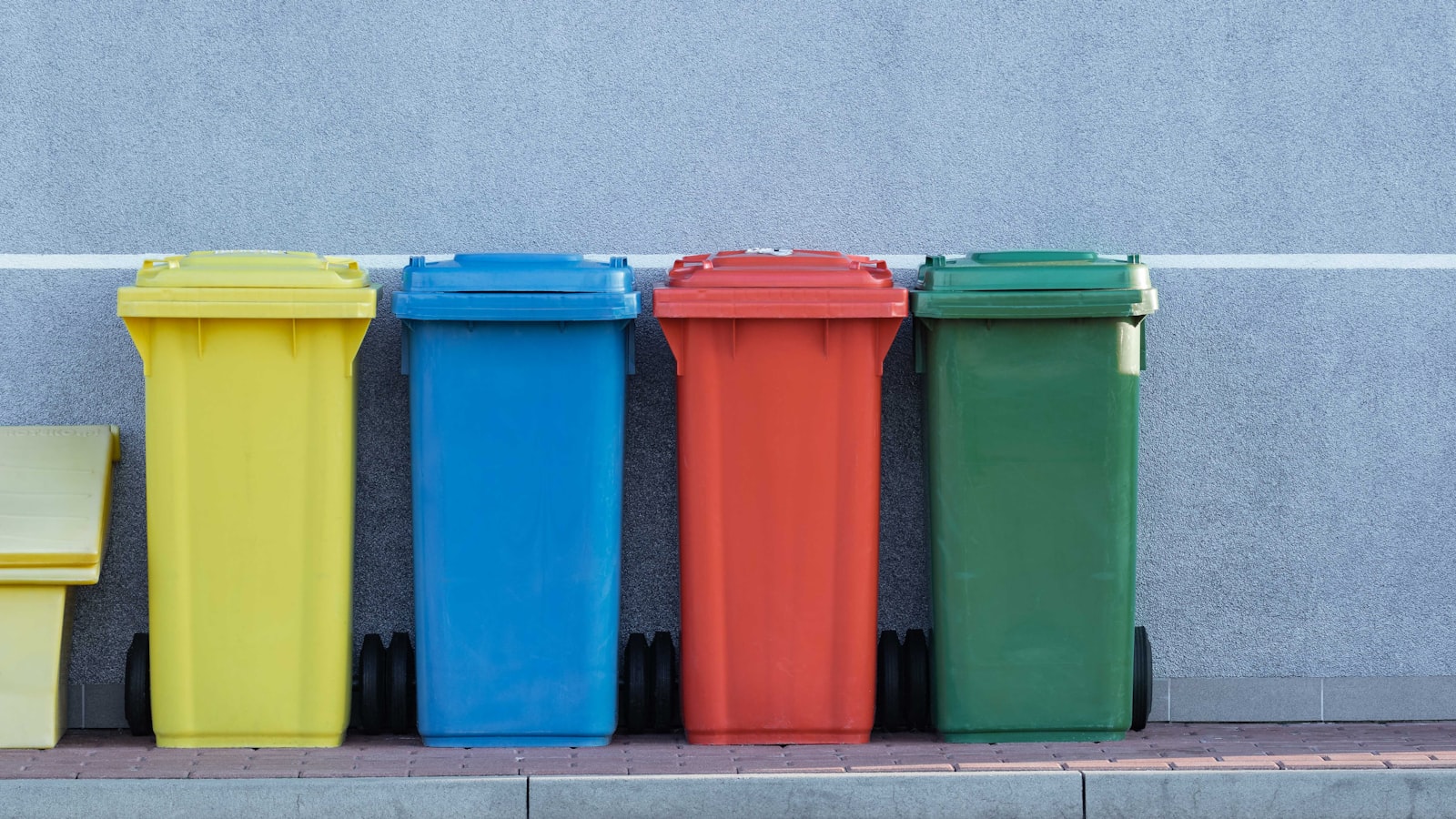
Most modern city recycling collects in three to five streams:
- Mixed dry recycling: usually paper, card, hard plastics (PET and HDPE), tins, and aerosols.
- Glass: often separate from mixed dry recycling because broken glass contaminates other materials.
- Food waste: increasingly common as a separate collection in major cities.
- Garden waste: for households with outdoor space; less relevant for apartments.
- General waste: everything else, which goes to landfill or, more often now, energy-from-waste incineration.
The exact rules vary city by city. Always check your local council’s guide rather than assuming. The differences between two adjacent boroughs can be surprising.
What “recyclable” really means
An item is “recyclable” in a meaningful sense if three things are true: (1) the material can physically be recycled, (2) the recycling industry has a market for it, and (3) your specific city has the infrastructure to process it.
Many items technically meet (1) but fail (2) or (3) in most cities. Black plastic is technically recyclable but most optical sorting machines can’t identify it, so it ends up in the general waste stream. Soft plastics are technically recyclable but most kerbside collections don’t accept them because the processing is expensive. Glossy mixed-material packaging is rarely recycled because separating the layers is uneconomic.
The implication: trust your local council’s “yes/no” list rather than the chasing-arrows symbol on the packaging. The symbol indicates technical recyclability; the list indicates actual recyclability in your city.
The contamination problem
The single biggest issue in urban recycling is contamination, non-recyclable items in the recycling bin, or recyclable items so dirty they spoil the batch. A typical city recycling stream is around 15, 25 percent contaminated, which dramatically reduces what can actually be recycled.
The main contaminants:
- Greasy pizza boxes (the cardboard is recyclable; the grease isn’t).
- Plastic film and bags (most kerbside collections can’t process these).
- Disposable coffee cups (the plastic lining makes them non-recyclable in most paper streams).
- Food residue on containers (a small amount is fine; a tray still full of curry isn’t).
- Mixed-material items (Tetra Paks, plastic-coated paper, sleeves with windows).
Removing these from your recycling stream is more impactful than adding more items hopefully.
The most-recycled materials, in order
The materials that get recycled most reliably across most cities:
- Aluminium cans. Almost universally recycled, infinitely recyclable, and worth real money. Always rinse, always recycle.
- Steel/tin cans. Similar to aluminium, well-established markets, high recycling rates. Rinse and recycle.
- Glass bottles and jars. Reliable streams, infinitely recyclable. Remove lids if separate collection.
- PET plastic (bottles). Strong markets, regularly recycled. Remove caps if your area requests it.
- HDPE plastic (milk jugs, cleaning bottles). Well-established markets.
- Corrugated cardboard. Recycled reliably if clean and dry.
- Newspaper and office paper. Long-established recycling streams.
The materials that often don’t get recycled
Even when you put them in the right bin, these often end up in the general waste stream:
- Black plastic of any kind (sorting machines miss it).
- Mixed plastics (yogurt pots, food trays).
- PLA “bioplastic” (compostable only in industrial facilities).
- Disposable coffee cups (plastic lining + paper).
- Tetra Pak / aseptic cartons (mixed materials, only specialty recyclers).
- Shredded paper (too small for sorting machines).
- Tissues and kitchen roll (too contaminated, fibres too short).
This doesn’t mean you should bin them in general waste; some areas have specialty drop-off for some of these (Tetra Pak collection points, soft plastic at supermarket front-of-store, coffee cup collection at major chains). But putting them in regular kerbside recycling usually doesn’t help and may hurt by contaminating the stream.
Food waste collection
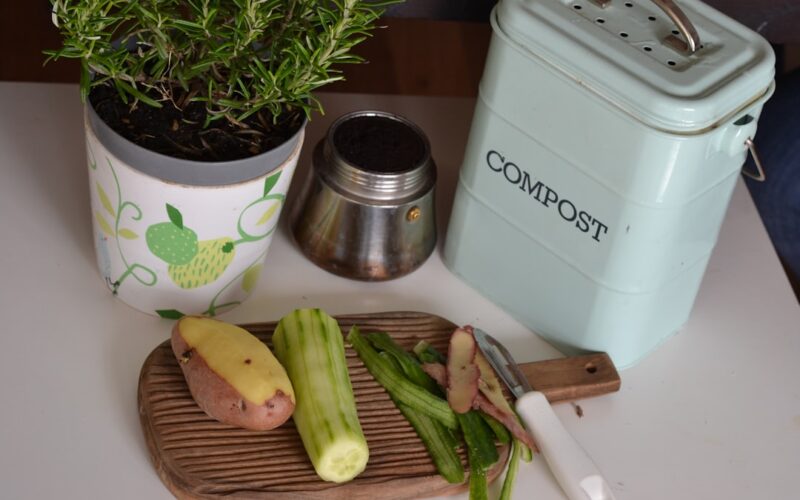
Food waste collection is increasingly common in cities and is one of the higher-impact recycling streams. Food waste in landfill produces methane, a potent greenhouse gas. Food waste in proper collection becomes either compost (for soil) or biogas (for energy).
What goes in: all food scraps (cooked and raw), tea bags (preferably plastic-free), coffee grounds, paper towel used for non-greasy cleaning, eggshells, bones (in some areas; check).
What doesn’t: packaging of any kind, “compostable” plastics (most don’t break down in food-waste facilities), pet waste, sanitary products. Stick to food.
Related: Glass vs Plastic Packaging: The Honest Environmental Comparison
The textiles question
Clothing recycling is more complex than most people think. Textile recycling capacity worldwide is far below the volume of clothing being discarded. Even at well-intentioned drop-off points, much of what you donate ends up in landfill or shipped to lower-income countries where it often goes to landfill there.
The realistic hierarchy for unwanted clothing:
- Resell wearable items (apps, charity shops, vintage shops).
- Donate to charity shops that accept your category of item.
- Cut up unwearable cotton items for cleaning rags (a long-term sink for old t-shirts).
- Use H&M-style in-store textile recycling for damaged items (better than nothing, but not a panacea).
- Buy less in the first place (the biggest lever).
Related: Reducing Plastic Waste in City Life: What Actually Works
The honest impact
Recycling matters less than reducing. The waste hierarchy, refuse, reduce, reuse, recycle, is in that order for a reason. Recycling an aluminium can saves around 95 percent of the energy of producing a new one. Not buying the canned drink in the first place saves 100 percent.
This doesn’t mean recycling is unimportant. Done well, it reduces emissions, conserves materials, and supports a transition toward a circular economy. Done badly, it provides moral cover for excess consumption.
The realistic stance: recycle accurately what you can, but invest more attention in reducing what enters your flat in the first place. The first move scales up; the second usually plateaus.
Related: How to Start a Building-Wide Recycling Rota in Your Apartment Block
What actually recycles
| Key point | What it means in practice |
|---|---|
| Mixed dry recycling | usually paper, card, hard plastics (PET and HDPE), tins, and aerosols. |
| Glass | often separate from mixed dry recycling because broken glass contaminates other materials. |
| Food waste | increasingly common as a separate collection in major cities. |
| Garden waste | for households with outdoor space; less relevant for apartments. |
| General waste | everything else, which goes to landfill or, more often now, energy-from-waste incineration. |
The first month of doing this well
Pick up your local council’s recycling guide and read it once. Print the summary and stick it inside a cupboard near your bin. For the first month, take ten extra seconds at each disposal decision. By month two, the rules are internalised and you stop thinking about it. The accuracy of your recycling will improve substantially, and the satisfaction of getting it right is real.
Sources and further reading
Frequently asked questions
A quick rinse is enough. They don't need to be sparkling. The goal is to remove food residue that would contaminate the stream, not to clean them like dishes.
The symbol means technically recyclable. It doesn't mean your local council recycles it. Always trust your local council's list over the symbol on the packaging.
Most councils now accept lightly-stained pizza boxes in card recycling. Heavily-greased portions go in food waste or general waste; clean parts can be torn off and recycled.
Only in industrial composting facilities at specific temperatures. They don't break down in regular kerbside food-waste collection in most cities. Better to refuse them in the first place.