
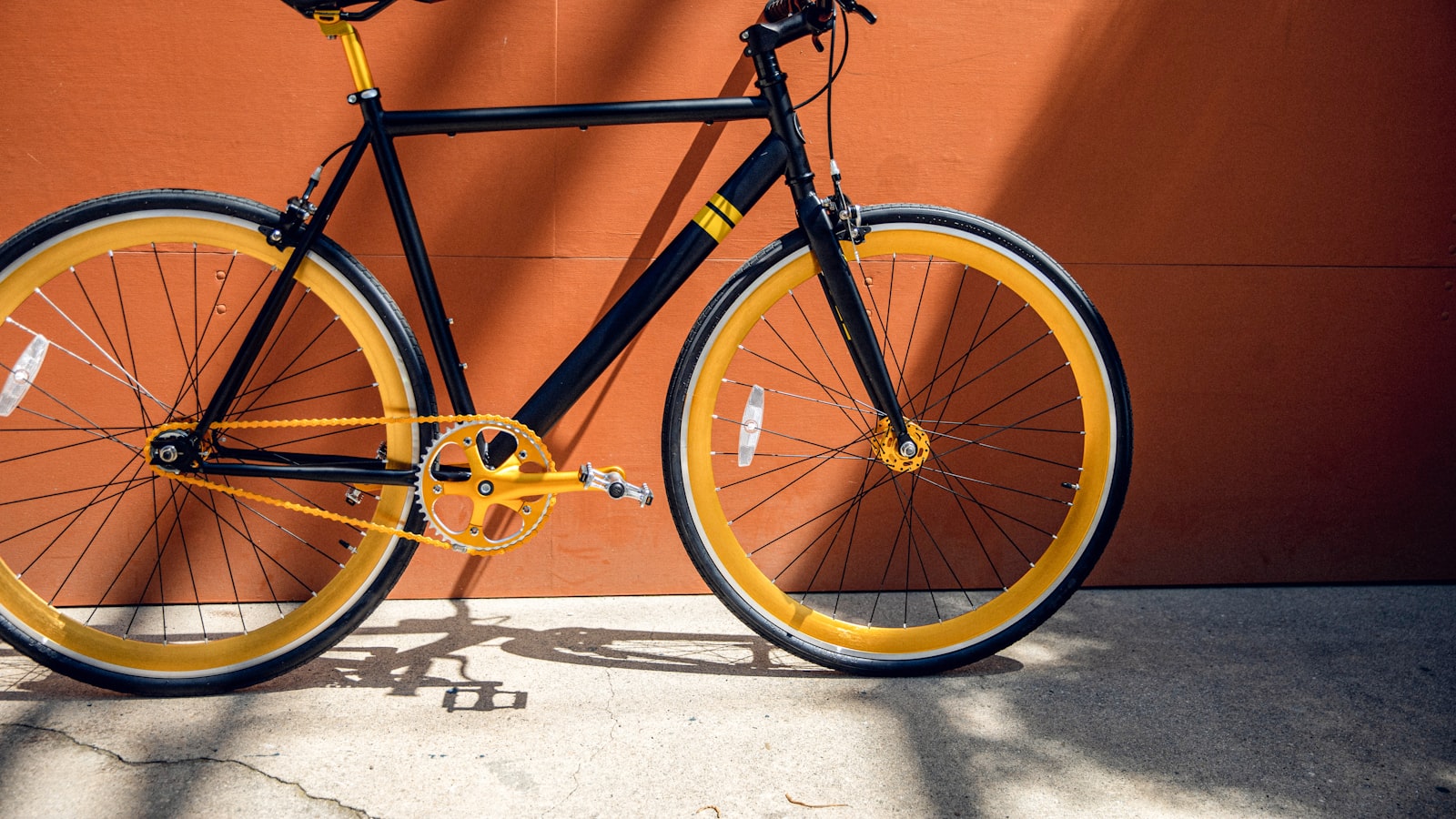
The folding bike was invented to solve a problem that defines urban life: small spaces, mixed-mode commutes, and the awkward gap between transit stops and final destinations. Two decades of refinement have produced bikes that are genuinely competitive with regular cycles for most city distances, while solving the storage and portability problems that defeat many apartment dwellers.
For the right user, a folding bike is one of the most transformative purchases possible for a city flat.
Why folding bikes work in flats
The defining advantage of a folding bike is that it does not need bike storage outside the flat. A folded bike fits behind a door, under a desk, in a closet, or on a small balcony. It does not occupy a hallway, does not need a wall-mounted hook, does not require a building bike room (which may not exist or may not be secure).
Beyond storage, the portability solves several urban problems at once. The bike comes inside at work, inside at cafes, inside on trains, into the back of a taxi. It is not lockable to a public rack and stolen overnight. It is not damaged by weather while parked.
The mixed-mode commute
The strongest use case for a folding bike is the multi-modal commute: cycle to the train station, fold and carry onto the train, unfold and cycle to the office. This combination is dramatically faster than either pure cycling (too long for the full distance) or pure transit (the gaps at each end add 20 minutes of walking each way).
A 40-minute door-to-door commute that included a 12-minute walk plus a 15-minute train plus a 13-minute walk becomes a 22-minute commute with the same train, two minutes of cycling at each end, and folding time included. Over a year of weekday commuting, this is roughly 120 hours saved.
Which folding bike to buy
The folding bike market spans £200 supermarket models to £4,000 high-end specialist bikes. The £200 bikes are usually heavy, ride poorly, and fail within months. The £4,000 bikes have refinements that matter only to dedicated enthusiasts.
The realistic range for a daily-use folding bike is £500, 1,500. At this price range you get: a well-designed folding mechanism that locks securely, a frame that does not flex under riding, an internal gear hub that needs minimal maintenance, and small wheels (16, 20 inches) that handle city potholes adequately.
The dominant brands in this range are Brompton (UK, premium), Tern (international, varied), and Dahon (mass-market, value). Brompton dominates the premium market for good reasons (genuinely excellent folding mechanism, long-term part availability, strong resale value). Tern offers larger-wheeled models that ride more like regular bikes. Dahon is the most affordable mainstream option.
The Brompton question
Bromptons cost £1,200, 2,500 new, which seems extreme for a bike. The defenders argue that the fold is so compact (smaller than any competitor), the resale value is so strong (often 70 percent of new after five years), and the parts availability is so good (still serviceable 20 years later), that the per-year cost is reasonable.
The counter-case is that for users who fold once or twice a day rather than constantly, the Brompton’s fold advantage is wasted, and a Tern or Dahon at half the price will deliver 90 percent of the same daily experience. For commuters who genuinely fold many times per day (multiple train transfers, frequent taxi rides), the Brompton wins. For most casual users, a mid-priced Tern is probably the better value.
The riding experience
Small wheels are the most controversial part of folding bikes. They feel different to large wheels, twitchier, less stable at speed, more affected by potholes. After a week, almost all riders adjust to the difference and find it natural. After a month, many riders prefer the small wheels for city use (more responsive, easier to navigate tight spaces, better at slow-speed manoeuvring).
The geometry of a quality folding bike puts the rider in a comfortable, upright position similar to a city bike, not the hunched position of a road bike. Over a 5, 10 km commute, the comfort is roughly equivalent. Beyond 15 km, a regular bike with larger wheels usually wins on pure cycling experience.
Related: The Electric Scooter Commute, Reviewed Honestly
Storage at both ends
The folding mechanism is only useful if you actually fold. A folding bike left unfolded in a hallway accomplishes nothing the regular bike could not. The habit that needs to form: fold on arrival, every time, even when it feels unnecessary.
At work, scout the storage options before the first commute. Under a desk is ideal. A corner of a meeting room. The bottom of a wardrobe. A coat closet. The folded bike is the size of a large suitcase; almost any space accommodates it.
At home, the fold lives somewhere obvious, by the door, against a wall, behind a sofa. The location should be near the front door so the unfold-and-leave routine is fluid.
Related: How to Have a Full Week Without Uber or Lyft
Carrying loads
Most folding bikes can carry a small load (a backpack, a pannier on a rear rack) but they are not built for serious cargo. Grocery shopping for one or two people is comfortable; a full weekly family shop is not.
The Brompton has a quick-release front carrier system that takes substantial bags without affecting handling, an underrated feature for shopping trips. Most other folding bikes work better with a small rear pannier or a backpack.
Related: Getting to the Airport Sustainably (and Affordably)
The five-year case
A good folding bike is the kind of purchase that gets better the longer you keep it. It outlasts most regular bikes in city conditions (rarely locked outside, less exposed to weather, less subject to vandalism). It maintains resale value better. The fold becomes second nature; the commute becomes faster; the storage problem stays solved.
If you live in a flat without secure bike storage, ride mixed-mode commutes, or simply want a bike that does not occupy a corner of your home, a folding bike at the £600, 1,200 level is one of the most useful single purchases you can make for an urban transport setup. The case strengthens further if you also use trains regularly; the combined system is genuinely more efficient than any other urban transport option for the journeys it covers well.
The commute at a glance
| Section | What the article covers |
|---|---|
| Why folding bikes work in flats | The defining advantage of a folding bike is that it does not need bike storage outside the flat. |
| The mixed-mode commute | The strongest use case for a folding bike is the multi-modal commute: cycle to the train station, fold and carry onto the train, unfold and cycle to the office. |
| Which folding bike to buy | The folding bike market spans £200 supermarket models to £4,000 high-end specialist bikes. |
| The Brompton question | Bromptons cost £1,200, 2,500 new, which seems extreme for a bike. |
| The riding experience | Small wheels are the most controversial part of folding bikes. |
Sources and further reading
Frequently asked questions
They feel slightly different at first (twitchier, more responsive) but most riders adjust within a week. Quality folding bikes ride remarkably similarly to regular city bikes for normal distances.
Yes, in almost every city, and usually without paying extra (unlike full-size bikes, which are often restricted or require fares). This is a major advantage of folding designs.
Worth it if you fold many times daily, value the smallest possible fold, plan to keep the bike for 10+ years, or care about resale value. Otherwise a Tern or Dahon at half the price delivers most of the same daily experience.
On quality bikes, decades. The mechanism is one of the most engineered parts of the bike. Cheap folding bikes have mechanisms that wear or develop play within a year of regular use.