
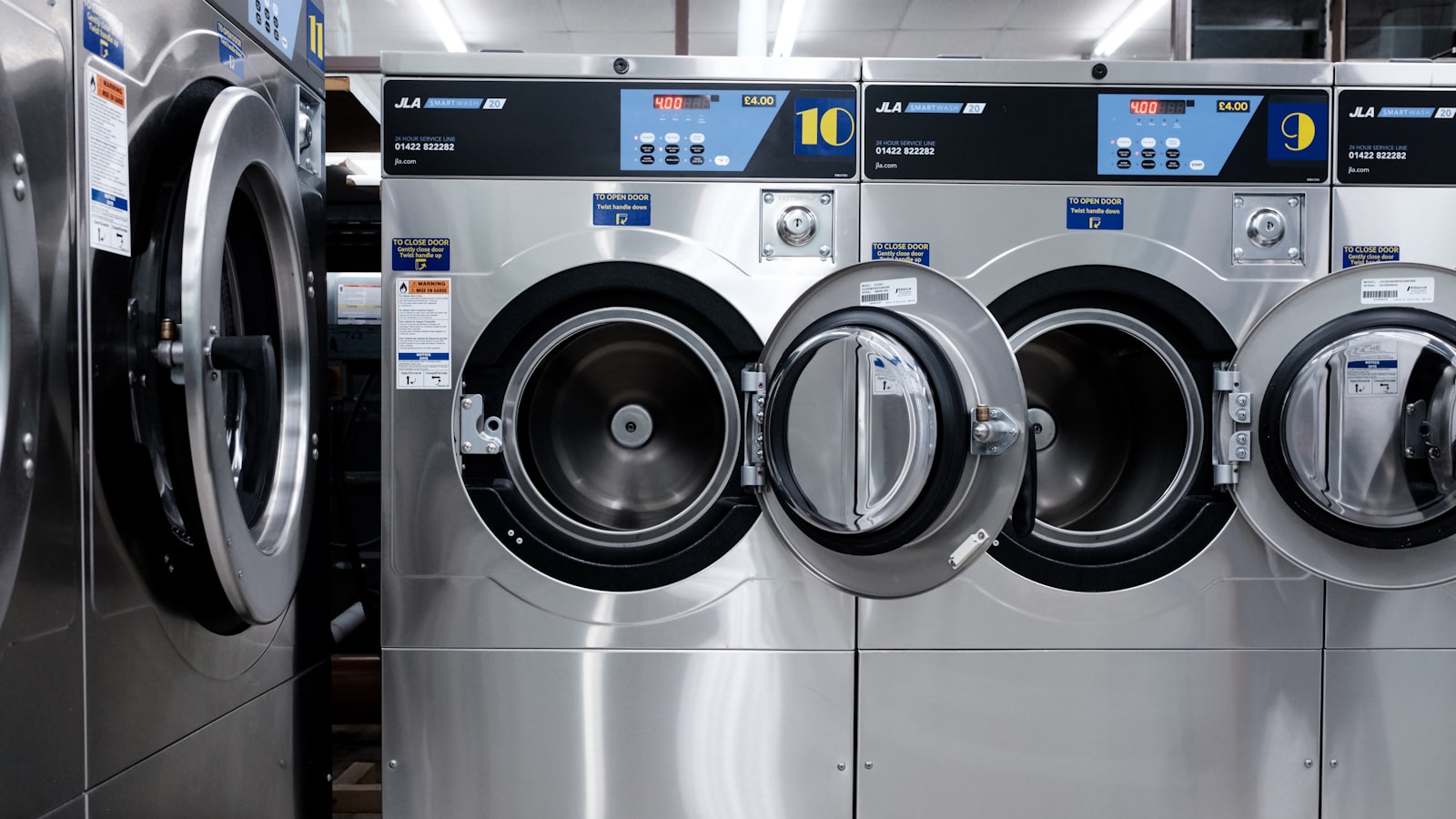
The shared laundry room is a defining feature of much apartment living. Done well, it’s an efficient resource that serves dozens of households with a few well-maintained machines. Done badly, it becomes a flashpoint of building conflict, with disputes about timing, etiquette, and resource use.
This article covers the etiquette and habits that make shared laundry work, and the practices that reduce environmental impact for everyone.
The fundamentals
The non-negotiable basics of shared laundry etiquette:
- Time slots, respected. If your building has a booking system, use it. If not, finish your laundry within reasonable time so others can use the machines.
- Remove clothes promptly. Within 30 minutes of cycle end, ideally. Abandoned clothes are the single biggest source of laundry-room resentment.
- Clean lint trap after every dryer use. A clogged dryer is inefficient and a fire risk.
- Wipe down machine surfaces. Especially after spills.
- Report broken machines. Don’t leave it for the next user to discover.
- Don’t hog machines. Multiple loads in a row when others are waiting is antisocial.
The booking system question
For buildings without booking systems, disputes about access are common. The solutions:
Simple paper sign-up sheet
A weekly grid on the laundry room wall. Members write their name in 2-hour slots. Simple but works.
Digital booking app
Apps like ResLynx, Hercules, Wash-Booker let members book online. Better for larger buildings; modest annual cost.
Coin or token system
Most buildings still use pay-per-use machines. The economics drive efficient use.
First come, first served with norms
For small buildings (3-8 flats), explicit booking may be unnecessary. Soft norms, only use a couple of times per week, communicate via building chat about busy times, can work.
Eco-laundry within shared facilities
Beyond etiquette, shared laundry can be done more sustainably:
Wash less often
Most clothes don’t need washing after every wear. Jeans, sweaters, light worn shirts can be aired and worn 2-5 more times. Halving your laundry frequency directly halves your environmental impact and your pay-per-use costs.
Cold water for most loads
Modern detergents work effectively at 30°C or cooler. Switching from hot to cold cycles saves 60-70 percent of the energy used in laundry. The water heating is by far the biggest energy use.
Full loads only
Washing machines and dryers use roughly the same energy whether full or half-empty. Wait until you have a full load. For shared facilities where you’re paying per use, this also saves money.
Air dry when possible
Dryers are energy-intensive. Even in apartment living, hang-drying on a rack in your own flat takes 12-24 hours and saves significant electricity. For items that need to be soft, a 15-minute dryer at the end of air-drying gives the softness without the full energy cost.
Choose eco-cycles
Most modern machines have eco cycles that use less water and energy. They take longer (often 2-3 hours vs. 50-90 minutes) but use 20-30 percent less of both. Use them when time isn’t pressing.
Skip the pre-wash
Most modern detergents handle stains in a single cycle. The pre-wash option adds 20-30 minutes and uses more water without much benefit.
Detergent considerations
In shared laundry environments:
- Buy your own detergent. Don’t use shared/communal detergent unless explicitly provided.
- Choose concentrated or sheet detergents. Less packaging, less weight to carry.
- Reduce fabric softener. Often unnecessary; can damage some fabrics over time.
- Eco detergents work. Modern plant-based detergents perform comparably to mainstream brands and reduce greywater impact.
The dryer question
Dryers in shared laundry rooms are particularly energy-intensive:
- Clean the lint trap before every load. Not just after. The fresh load benefits from maximum airflow.
- Don’t overdry. Most clothes are dry at 70-80 percent of standard cycle time.
- Use moisture sensor cycles if available. They stop when clothes are dry rather than running for fixed time.
- Combine smaller items. Don’t run separate dryer loads for one tablecloth and three towels.
Microplastic reduction
Synthetic clothing sheds microplastics in every wash. The fibres flow into wastewater and in the end oceans:
- Use a microplastic-catching laundry bag (Guppyfriend). Costs £25, fits in any machine, catches ~80 percent of microfibres.
- Wash synthetic items at lower temperatures. Heat increases shedding.
- Front-loading machines shed less than top-loading.
- Skip the fabric softener. Some softeners increase microplastic release.
Drying alternatives in small flats
For apartment dwellers wanting to reduce dryer use:
- Folding drying rack. A two-tier model (£20-40) accommodates a full wash load.
- Over-bath airer. Hangs above the bath, drips into bathtub. Good use of dead space.
- Ceiling-mounted dryer (sheila maid). Wall-mounted units that raise drying clothes to ceiling, freeing floor space.
- Outdoor drying: balconies, communal courtyards (where permitted). Sun and breeze are the best drying agents.
- Dehumidifier-assisted drying: drying clothes indoors with a small dehumidifier running prevents damp problems.
The shared expense question
Some buildings include laundry in service charges or rent (effectively shared cost). Others charge per use (individual cost). Each has different incentives:
Included cost
People often over-use machines because the marginal cost is zero. The intervention: building-wide awareness campaigns about reducing collective consumption.
Per-use cost
People often under-use machines (running with half loads to save money) or use external laundromats. The intervention: pricing that reflects actual costs without being prohibitive.
Related: Joining a Community Solar Cooperative
The handover diplomacy
The brief interactions in shared laundry rooms set the tone for building community:
- If someone’s clothes are still in a machine you need, fold them gently or place them on a surface. Don’t leave them in or dump them on the floor.
- Note the time, and consider mentioning to building management if it’s a persistent problem.
- If you finish using a machine and see someone waiting, mention you’re done.
- Hold doors for neighbours with full laundry baskets.
Related: Starting a Building Sustainability Newsletter
The seasonal patterns
Shared laundry use varies by season:
- Winter: heavier laundry (coats, bedding washed more often).
- Summer: more frequent loads (lighter clothing, sportswear).
- Spring cleaning: bulk loads (curtains, throws).
Adjust your booking patterns to anticipate busy times.
Related: Urban Beekeeping: The Community Argument
How the shared arrangement works
| Key point | What it means in practice |
|---|---|
| Time slots | respected. If your building has a booking system, use it. If not, finish your laundry within reasonable time so others can use the machines. |
| Remove clothes promptly | Within 30 minutes of cycle end, ideally. Abandoned clothes are the single biggest source of laundry-room resentment. |
| Clean lint trap after every dryer use | A clogged dryer is inefficient and a fire risk. |
| Wipe down machine surfaces | Especially after spills. |
| Report broken machines | Don’t leave it for the next user to discover. |
The honest summary
Shared laundry rooms work when residents follow basic etiquette and consider environmental impact. The interventions that matter most: cold water, full loads, prompt clothes removal, air drying where possible. None require building-wide coordination; they’re individual choices that compound.
For buildings struggling with laundry-room conflict, the fix is usually clearer rules and better booking systems, not new equipment. The technology rarely fails; the etiquette does.
Sources and further reading
Frequently asked questions
No, 30 minutes maximum, ideally less. If you can't be back in time, don't start a load. This is the single most common laundry-room etiquette violation.
Per-use, slightly more (around £4-8 per wash+dry cycle). But you avoid the £400-800 upfront cost of buying machines, maintenance, repair, and the energy bill for hot water.
Usually your own. Building-provided detergent is unusual and often poor quality. Your own choice ensures compatibility with your fabrics.
Air-dry on a rack in your flat for most loads. Use the shared dryer only for towels, bedding, or when air-drying isn't practical (rainy season for items needing quick turnaround).