Urban beekeeping has grown rapidly in the past decade, with rooftop hives appearing on apartment buildings, offices, schools, and hotels across major cities. The intentions are good, supporting pollinators, producing local honey, building community engagement. The reality is more nuanced than the marketing suggests.
This article addresses what urban beekeeping actually delivers, when it helps or hurts biodiversity, and how to do it responsibly at building or neighbourhood scale.
The conventional wisdom
The popular narrative is straightforward: bees are declining, urban beekeeping helps replace them, honey is a delicious side benefit. Schools and offices add hives as visible sustainability commitments. Building rooftops become pollinator sanctuaries.
This narrative is partially true but missing important context.
The actual ecology
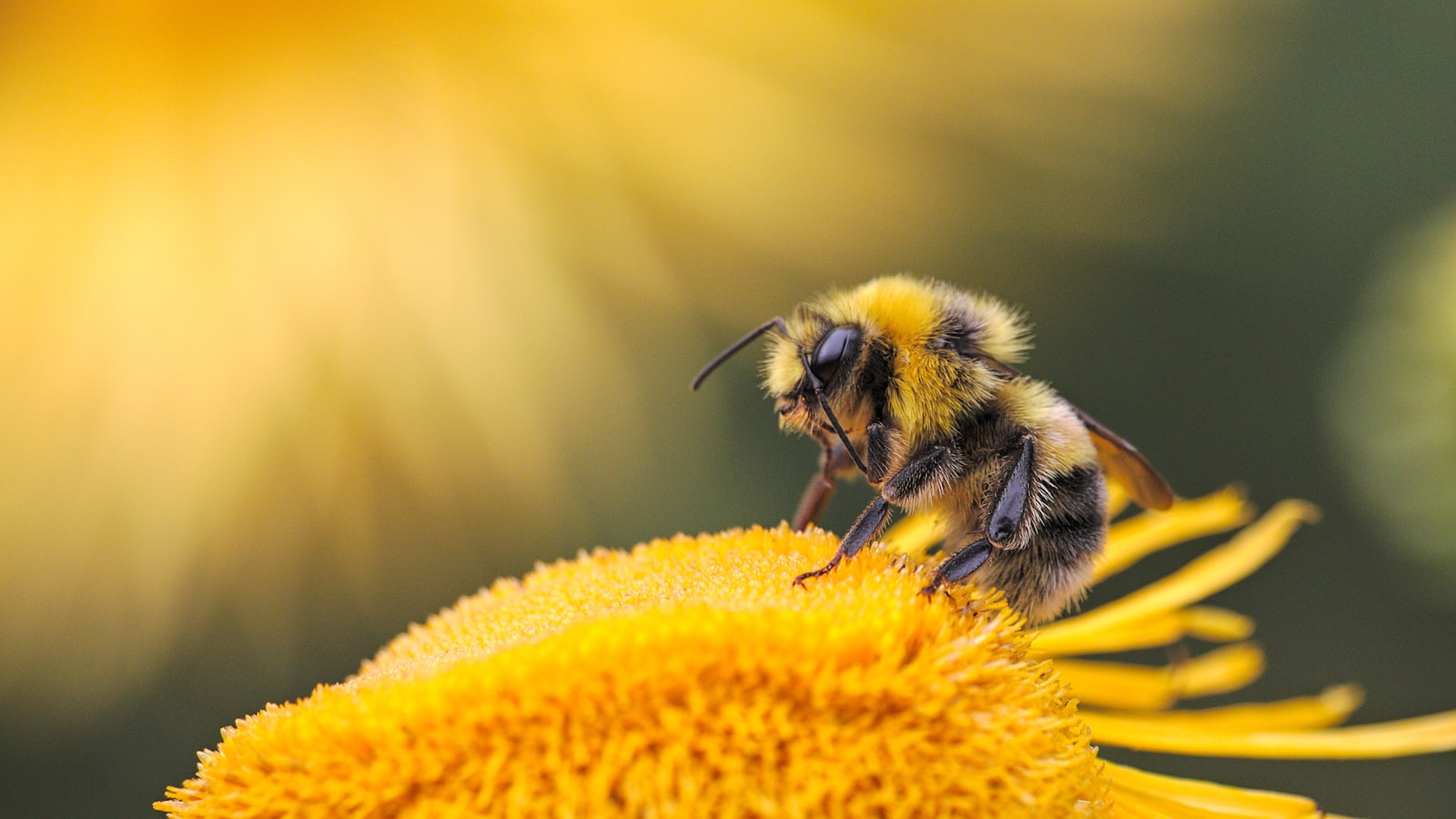
The bees in urban beekeeping are almost always honeybees (Apis mellifera). These are domesticated, managed, agricultural animals, closer to livestock than wildlife. Wild pollinators (over 200 species of bees in the UK, plus hoverflies, butterflies, moths) are dramatically more diverse and more at risk than honeybees.
The honeybee population isn’t actually declining at population level, it’s growing globally because of expanding commercial beekeeping. Wild bee populations are the ones in serious decline, and they’re struggling partly because of competition from managed honeybees.
When urban beekeeping helps
Urban beekeeping is most beneficial when:
- It coexists with abundant wild flowers. Sufficient forage for both honeybees and wild pollinators.
- It’s combined with wild-pollinator support. Native plant gardens, wildflower areas, bee hotels for solitary bees.
- It’s educationally valuable. Schools and community groups using hives as learning opportunities about pollinator ecology.
- It supports local food systems. Particularly in areas with substantial food gardens that benefit from pollination.
- The hive density is reasonable. 1-2 hives per few square kilometres rather than dense rooftop apiaries.
When urban beekeeping is problematic
Urban beekeeping can be unhelpful or harmful when:
- Hive densities are too high. London has more honeybees per area than ecologically sustainable; honeybees outcompete wild pollinators for limited urban forage.
- It substitutes for actual biodiversity work. A school with a hive but no wildflowers or bee hotels has done less for pollinators than one with neither hive nor flowers but extensive native planting.
- It’s greenwashing. Hotels and corporations adding visible hives while doing nothing else for the environment.
- It’s poorly managed. Sick or aggressive bees create risks; abandoned hives become nuisances.
- Forage is inadequate. Bees in central London competing for too few flowers create the “bee famine” problem.
The forage question
The single biggest factor in whether urban beekeeping helps or hurts is the local availability of forage (flowering plants providing nectar and pollen).
Cities with abundant green space, mixed planting, parks, and gardens can support reasonable honeybee populations alongside wild pollinators. Cities with limited green space or extensive paving create competition where added honeybees worsen the situation for wild pollinators.
Before adding bees to your building, assess local forage. If you’re not adding flowers, you’re probably not helping pollinators by adding bees.
What actually helps urban pollinators
The interventions ranked by genuine pollinator benefit:
1. Plant for pollinators
Native flowering plants in balconies, windowsills, communal gardens, and parks. Variety matters more than quantity, different species support different pollinators.
2. Avoid pesticides
Neonicotinoid and similar pesticides devastate bee populations. Choose organic gardening methods.
3. Provide bee hotels
Solitary bees (the most diverse and at-risk category) benefit from bee hotels, wooden blocks with holes drilled for nesting. £10-30 for commercial models or DIY versions.
4. Support hedgerows and wild areas
Even small wild patches in urban environments support significant biodiversity.
5. Add specific pollinator food sources
Plants like lavender, borage, comfrey, thyme, sedum, asters provide concentrated forage.
6. Then, possibly, add honeybees
Only after the above are in place, and only if local hive density isn’t already excessive.
If you do want building beekeeping
The responsible approach:
Step 1: Assess local context
Research existing hive density in your area. Contact your local beekeeping association. If your area is already saturated, don’t add more hives.
Step 2: Build supporting infrastructure first
Plant flowers, install bee hotels, develop forage. Add honeybees only when the local environment can support them.
Step 3: Engage an experienced beekeeper
Beekeeping requires real skill. Either learn properly (1-2 years of training) or engage a professional. Untrained beekeeping causes welfare and safety problems.
Step 4: Address building safety
Honeybees can sting. Stinging events are rare for well-managed hives but possible. Consider:
- Hive placement away from common areas.
- Communication with all building residents.
- Identification of allergy sufferers.
- Building insurance implications.
Step 5: Ongoing management
Beekeeping requires regular attention, weekly inspections in summer, winter monitoring, swarm management. Plan for genuine ongoing commitment.
Step 6: Monitor wild pollinator impact
If wild bee diversity drops after honeybee introduction, the experiment isn’t succeeding ecologically.
The community engagement opportunity
Where beekeeping does work well, the community benefits can be significant:
- Educational programmes for residents and local schools.
- Shared honey production and distribution.
- Bee-related events and workshops.
- Connection to broader pollinator-friendly initiatives.
Related: Shared Spaces in Apartment Buildings: The Rules That Make Them Work
The honey question
Urban honey is often marketed as exceptional. The reality:
- Quality varies enormously depending on local flora.
- Production per hive is typically 5-30 kg/year, modest for many people’s expectations.
- Authentic local honey is valuable and worth supporting.
- Honey alone isn’t a sufficient justification for beekeeping.
Related: Apartment Etiquette: Quiet Hours, Smells, and the Other Unwritten Rules
The alternatives worth considering
Before adding bees, consider these higher-use alternatives:
- Pollinator garden. A 10 m² wildflower area on your building roof or courtyard supports more pollinators than a single hive.
- Bee hotel cluster. A row of bee hotels supporting solitary bees (more diverse and at-risk than honeybees).
- Native shrub planting. Native shrubs provide continuous pollinator forage at low maintenance.
- Urban meadow areas. Allowing some lawn or grass to grow wild creates valuable habitat.
- Pollinator monitoring. Engaging residents in tracking what pollinators visit your spaces.
Related: How Community Fridges Work, and Whether Your Neighbourhood Needs One
How the shared arrangement works
| Key point | What it means in practice |
|---|---|
| It coexists with abundant wild flowers | Sufficient forage for both honeybees and wild pollinators. |
| It’s combined with wild-pollinator support | Native plant gardens, wildflower areas, bee hotels for solitary bees. |
| It’s educationally valuable | Schools and community groups using hives as learning opportunities about pollinator ecology. |
| It supports local food systems | Particularly in areas with substantial food gardens that benefit from pollination. |
| The hive density is reasonable | 1-2 hives per few square kilometres rather than dense rooftop apiaries. |
The honest summary
Urban beekeeping isn’t the simple win that marketing suggests. In cities with already-high honeybee densities, adding more hives can harm wild pollinators. The interventions that genuinely help urban pollinators are mostly about habitat (flowers, food, nesting sites) rather than additional honeybees.
For buildings considering bees, the responsible path is: assess local context, build supporting infrastructure first, engage trained beekeepers, monitor impact, and recognise that the most-impactful pollinator interventions usually aren’t about adding honeybees.
If you do proceed thoughtfully, urban beekeeping can be a wonderful community activity with real benefits. If you don’t, it can become another form of greenwashing that does more harm than good.
Sources and further reading
Frequently asked questions
No. In areas with already-high honeybee density, adding more hives can harm wild pollinators through competition for limited forage. Research local context before adding hives.
Honeybees are managed agricultural animals (one species). Wild bees include 200+ UK species, mostly solitary, who do most of actual pollination. Wild bees are more at risk than honeybees.
Plant native flowering plants, avoid pesticides, install bee hotels for solitary bees, allow areas of wild growth, support local hedgerow and meadow projects.
Initial setup: £400-800 for hive, basic equipment, and starting bees. Training: £100-300. Ongoing: £100-200/year. Plus significant time commitment.