
Professional energy audits exist but they’re expensive (£200-500) and focused mostly on homeowners. For renters and engaged tenants, a DIY audit covers most of the same ground in a weekend, with results you can act on immediately.
This article walks through the complete DIY audit process. The investment: one weekend, about £30 in tools. The output: a clear picture of where your energy goes and a prioritised list of interventions.
Tools you’ll need
The basic audit kit:
- Plug-in energy monitor (Kill-A-Watt, Belkin, similar): £15-25.
- Infrared thermometer: £15-30. Measures surface temperatures to find draughts and heat loss.
- Smartphone with timer and notes app: already have it.
- A clipboard and printed audit template (provided at end of article).
For more advanced audits:
- Smart smoke detector or air quality monitor: for ventilation assessment.
- Door blower test (DIY versions exist): for whole-house air leakage measurement.
Step 1: The historical analysis
Time required: 30 minutes.
Before measuring anything, understand your starting point. Gather:
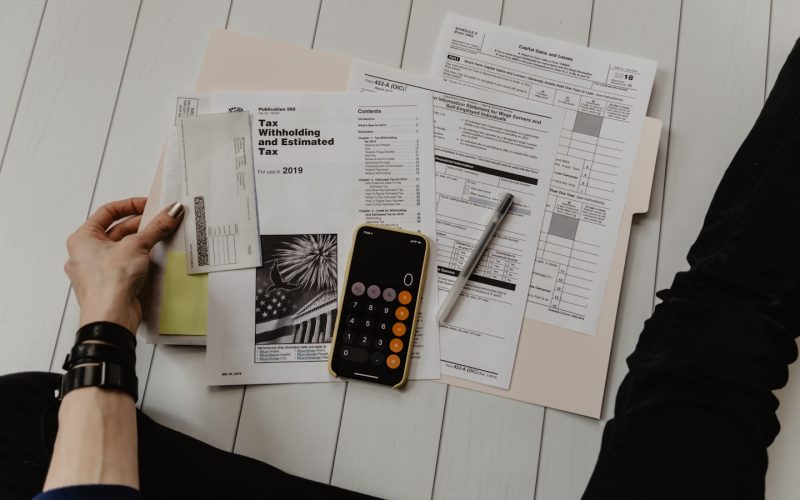
- The last 12 months of utility bills (request from supplier if needed).
- Annual totals for electricity, gas, water.
- Per-month variation (when did consumption spike?).
- Comparison to UK averages for similar flats:
- Small flat (1 bed, 1-2 occupants): typically 1,800-2,800 kWh electricity/year, 8,000-15,000 kWh gas/year.
- Medium flat (2 bed, 2-3 occupants): typically 2,800-4,000 kWh electricity, 12,000-18,000 kWh gas.
- Large flat (3+ bed, 3-4 occupants): typically 4,000-6,000 kWh electricity, 16,000-25,000 kWh gas.
If you’re significantly above typical figures, you have significant savings potential. If you’re at or below, there’s less low-hanging fruit but probably still meaningful improvements available.
Step 2: The plug-load inventory
Time required: 2-3 hours spread over a few days.
For each plug-in device in your flat, measure consumption:
- Active use power draw (watts when device is being used normally).
- Standby/sleep power draw (watts when device is “off” but plugged in).
- Hours per day in each mode.
- Calculated daily and annual kWh.
The major devices to measure:
- TV and entertainment system (TV, set-top box, sound system, console).
- Computer setup (laptop, monitor, peripherals).
- Wi-Fi router.
- Fridge and freezer.
- Microwave (especially the clock display).
- Toaster, kettle, coffee maker.
- Washing machine.
- Dishwasher.
- Lights (sample bulbs to confirm wattage).
- Chargers and small electronics.
You don’t need to measure every device on day one, spread over several days, focusing on devices in current use.
Step 3: The draught assessment
Time required: 1 hour.
On a windy or cold day, walk through the flat checking for air leaks:
- Hold an incense stick or a thin piece of paper near windows, doors, electrical outlets, plumbing penetrations. Smoke or paper movement indicates air leakage.
- Use the infrared thermometer to measure surface temperatures near suspected leak points. Cold surfaces near gaps indicate air infiltration.
- Check around: window frames, door frames, letterbox, keyhole, light switches and outlets on external walls, ceiling-wall joins, floor-wall joins, hatches to lofts or basements.
Note each location and the severity of leakage. Priority for fixing: largest leaks first.
Step 4: The insulation check
Time required: 30 minutes.
You can’t fully assess insulation without opening walls, but several visible indicators help:
- External walls feel cold to touch in winter. Suggests poor insulation.
- Condensation on internal walls. Cold walls + warm humid air = condensation. Common with uninsulated external walls.
- Big temperature difference between rooms. The cold room is likely poorly insulated.
- Single-glazed windows. Major heat loss; replacing is landlord territory but tenant can use heavy curtains and window film.
- Lofts visible from inside flat (top-floor flats): check insulation depth (200-300mm is the modern standard).
Step 5: The hot water assessment
Time required: 30 minutes.
For hot water:
- Note the current boiler temperature setting (often 70°C; should be 55-60°C).
- Measure shower flow rate: put a 1-litre measuring jug under the running shower and time how long to fill. Calculate LPM. Typical: 9-15 LPM. Target: 6-8 LPM.
- Check tap flow rates similarly.
- Inspect for pipe insulation (look at exposed hot water pipes, they should have foam insulation).
- Note typical shower lengths and frequencies for household members.
Step 6: The heating system review
Time required: 30 minutes.
For heating:
- Note your thermostat setting (typical: 19-21°C; many flats default higher).
- Check if you have a programmable thermostat. If so, what’s the current programme?
- Identify thermostatic radiator valves (TRVs) and current settings.
- Note any radiators that don’t heat properly (could be air-filled, blocked, or unbalanced).
- Identify the boiler type and age (visible on rating plate).
Step 7: The water inventory
Time required: 15 minutes.
For water:
- Check if you have a water meter (some older flats don’t).
- If metered, look at consumption per day.
- Note typical patterns: how many showers? Baths? Dishwasher cycles? Washing machine cycles?
- Test toilets for leaks (food colouring in cistern, see if appears in bowl after 15 minutes).
Step 8: The synthesis
Time required: 1 hour.
With all measurements collected, identify:
- The biggest energy users in your flat. Usually heating (40-60 percent), hot water (15-25 percent), appliances and lighting (15-25 percent), standby and miscellaneous (5-10 percent).
- The biggest unnecessary uses. Standby loads above 2-3W, devices on much longer than needed, heating settings higher than needed.
- The biggest improvement opportunities. Where can you achieve significant savings with low effort?
Related: Smart Home Energy Habits Without the Smart Home
Step 9: The prioritised action list
Based on the synthesis, create a prioritised list. Typical priorities for most flats:
- Programme thermostat with a sensible heating schedule.
- Switch standby-heavy devices to switched plug strips.
- Install draught proofing at biggest leak points.
- Switch to LED bulbs.
- Install low-flow showerhead/aerator.
- Set boiler to 55-60°C.
- Install heavy curtains for windows facing cold or sunny.
- Switch to renewable tariff.
- Optimise appliance use (eco cycles, full loads).
- Address any specific waste discovered in audit.
Related: Solar Options That Renters Can Actually Use
Step 10: Implementation
Don’t implement everything at once. Choose 2-3 priorities for the next month. Once those are in place and habits formed, move to the next priorities. The full audit-to-implementation cycle typically takes 3-6 months for sustainable results.
Related: Water Conservation in an Apartment: What Genuinely Saves Litres
The energy math in one table
| Key point | What it means in practice |
|---|---|
| Plug-in energy monitor (Kill-A-Watt, Belkin, similar) | £15-25. |
| Infrared thermometer | £15-30. Measures surface temperatures to find draughts and heat loss. |
| Smartphone with timer and notes app | already have it. |
The expected outcome
A thoroughly-audited flat with priority interventions implemented typically reduces utility bills by 25-40 percent within a year. The audit investment (£30, one weekend) pays back many times over.
Beyond the financial savings, the audit gives you genuine understanding of your own household’s energy use. This knowledge persists across appliance changes, tariff switches, and flat moves. It’s arguably the most valuable single thing you can do for your long-term energy footprint.
Sources and further reading
Frequently asked questions
For most apartments, comparable for the main interventions. Professional audits add value for detailed insulation analysis (thermal imaging, blower door tests) and structural recommendations beyond renter scope.
No, spread over 2-3 weekends works better. The plug-load inventory especially benefits from being done across several days as different devices come into use.
Usually the cumulative standby load, discovering 30-50W of constant draw across small devices that all individually seem trivial.
A full audit every 2-3 years is sufficient. Check key metrics (annual bills, major appliance use) yearly to spot drift.