Cycling is the fastest and cheapest way to move around most cities. Storing the bike between rides is where the plan usually breaks. Apartment renters end up carrying bikes up two flights of stairs, hanging them from the flat ceiling, or leaving them locked outside overnight until one morning the frame is missing and the front wheel is still there. This guide covers the four practical storage options, the two-lock combination that deters real thieves, and the specific asks that unlock better building-wide setups without a rent increase.
Everything below assumes a standard road or hybrid bike; cargo bikes and e-bikes need their own extra considerations and are addressed separately.
The four options a renter actually has
- The building’s existing bike store. Best when it exists, is dry, is locked or CCTV-covered, and is not overcrowded. Ask the property manager for a copy of the store rules and any access-key process before assuming.
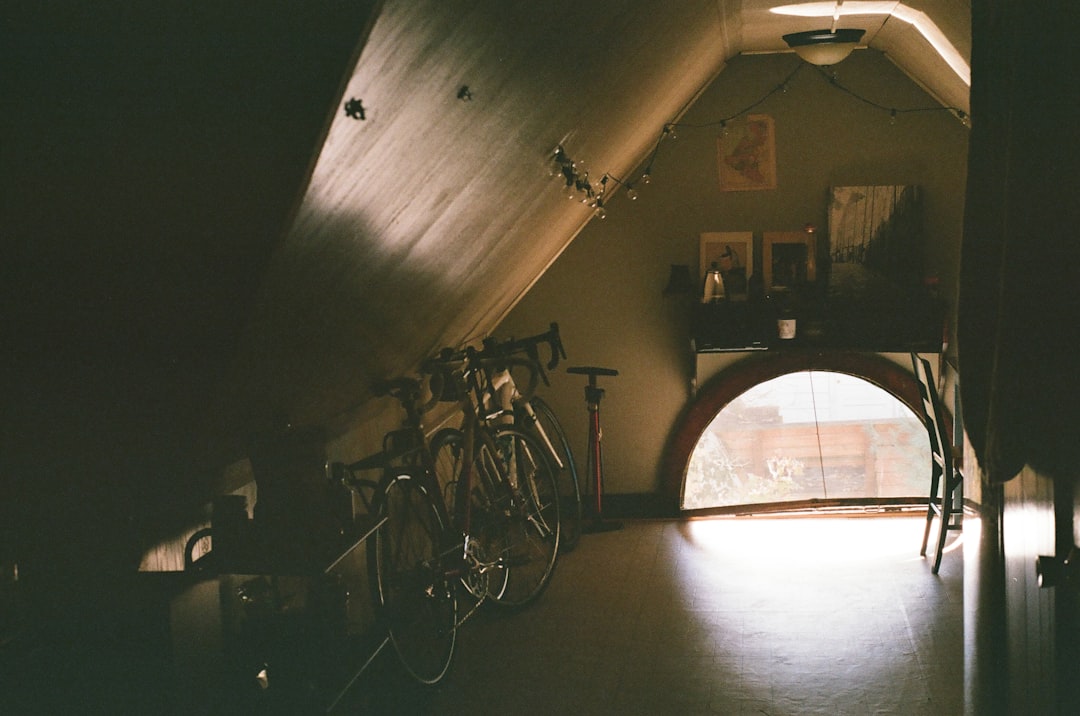
- Inside the flat, wall-mounted or floor-standing. A wall bracket or a vertical floor stand takes a bike out of the walkway. Wall brackets need drilling; check the lease. Floor stands (Delta Michelangelo, Feedback Velo Cache) do not and cost £40 to £80.
- Balcony or hallway rack. Only if the balcony is roofed or the bike lives under a proper cover. Bikes in unroofed weather rust the chain, freeze the gears, and fade the paint within a season.
- Street or communal-yard secure locker. Some cities (London Cycle Hangar scheme, Amsterdam bike parking) rent a small enclosed locker for £3 to £10 per month. Waiting lists exist in high-demand areas.
Most working setups combine two of these: an in-flat rack for the good bike, a communal store or street hangar for the second beater bike or the guest bike.
Locks: what actually works
Assume any lock combination will slow a thief, not stop them indefinitely. What you buy determines whether you delay them by seconds, minutes, or long enough that they move on.
- Cheap cable lock. Bolt-cutter defeats in under 10 seconds. Only use for very short public stops on a low-value bike.
- Single D-lock (Gold-rated: Kryptonite New York, Abus Granit). Angle-grinder in about 60 to 180 seconds. Enough for daytime outside a shop; not enough for overnight in a city.
- D-lock plus separate chain-and-shackle. Two attack types, doubling defeat time. Enough for most overnight bike-store use.
- Ground anchor plus heavy chain (indoor communal spaces). The gold standard for a shared bike store. Costs the building £100 to £200 per anchor point and outlasts every bike stored on it.
Related: Safe Night Cycling in the City covers the visibility and route side once the bike is safely stored.
Asking your building manager for a real bike store
Most apartment blocks over 20 flats have room for meaningful bike storage that is not being used because nobody asked. Specific asks that usually succeed:
- A bike rack in an unused corner of the underground car park. Six racks in 4 square metres.
- Reallocation of a disused pram-store or wheelie-bin overflow room. Ask about buildings’ floor-plan surveys; unused rooms often exist.
- Ground-anchor installation in an existing store. Cheap, permanent, and lets residents move up to real chain locks.
- Signup to city cycle-hangar schemes. The building agrees to give up one pavement parking bay for a Cyclehoop-style hangar serving six residents. Most councils fund the hangar; the building loses nothing.
The proposal template: a short email listing (a) how many residents cycle or would if storage existed, (b) the specific location proposal, and (c) an offer to help admin the setup. Managers approve small, specific proposals easily.
Bringing the bike inside the flat
If in-flat storage is the plan, three practical options in order of cost:
- Vertical floor stand. No drilling, £40 to £80. Takes 0.35 sq metres of floor near a wall. Suits any bike under 15 kg. Downsides: some models scratch the rear wheel; buy one with rubber wheel cradles (Feedback Velo Cache 2, Steadyrack Classic).
- Wall bracket, horizontal. £15 to £40. Needs two wall anchors and permission if the lease requires it. Wall bracket + bike hangs like a shelf and looks cleaner than a floor stand.
- Ceiling hoist. £30 to £70. Frees floor and wall space, but installation is more complex and few landlords approve ceiling holes.
Two floor-space watch-outs: crank arms hit the wall on most brackets (add a rubber bumper), and derailleur damage from wall knocks is common (position the bike drive-side out).
The specific case of e-bikes
E-bikes need extra thought:
- Never charge overnight unattended. Lithium battery fires from cheap or damaged e-bike batteries are the fastest-growing residential fire cause in London and New York. Charge in a monitored space (kitchen, living room) during the day, unplug when finished.
- Remove the battery for storage. A stolen e-bike without battery is much less attractive; battery indoors is safer too.
- Weight up to 25 kg breaks most wall brackets rated for standard bikes. Buy a rated e-bike stand or a floor rack.
Quick reference: bike storage decision matrix
| Situation | Best option |
|---|---|
| Ground-floor flat with private front | Under-stair rack or hallway wall bracket |
| Building with existing dry bike store | Store, plus a Gold-rated D-lock and chain |
| Building with no store but underused car park | Propose a shared rack; usually approved |
| 4th-floor flat, no lift, no store | Council Cyclehoop scheme (if available) |
| E-bike over 20 kg | Ground-floor communal store or dedicated stand; never wall-hang |
Insurance, the boring but useful bit
Most contents insurance policies exclude bikes over £500 unless specifically listed. Check your policy; if the bike is worth more than the excess, add it. Cycling-specific insurers (CyclePlan, Bikmo, Laka in UK) cover away-from-home theft and crash damage that home policies typically do not, from £40 to £120 per year depending on bike value.
Bike storage in an apartment is a solvable problem for essentially every renter. The right combination of an appropriate in-flat rack, a genuine two-lock strategy, and a small building-management conversation eliminates the daily friction that stops most people cycling in the first place.
Sources and further reading
Frequently asked questions
A high-rated D-lock through the frame and rear wheel plus a heavy chain looped through the front wheel and a fixed anchor. Two locks force a thief to defeat two types of attack. A single D-lock alone is portable-grinder territory in under three minutes in most cities.
Generally yes unless the lease specifically prohibits it. Bikes count as furniture, not fixtures. Check the tenancy agreement, but the more common practical constraint is the flat's space and any hallway fire-egress rules in the block.
Ask the management or landlord. Most buildings with 20+ flats can meaningfully accommodate a shared bike rack in a communal area (garage corner, disused cycle store, sheltered yard) if a group of residents asks. The blocker is usually inertia, not cost.
UK 2024 data suggests roughly 70 to 80,000 reported bike thefts, and estimates of unreported thefts triple that. Higher-value cities (London, Bristol, Cambridge) are hotter. Insurance-quoted replacement costs are the single biggest reason to invest in real locks and secure storage.