
Starting to live more sustainably is harder than it looks. The internet offers hundreds of “easy first steps”, and trying to implement them all at once is the fastest way to give up entirely. Most people who decide to “go green” in week one have given up by week six.
This article is a realistic 30-day plan for someone just starting. One small change per day, building toward a household that feels noticeably different by the end of the month, sustainably.
The principles
Before the plan:
- One change per day, not seven. Even if a change feels small, give it 24 hours to integrate before adding another.
- Skip days when needed. Don’t double up on missed days; just continue from where you are.
- Cost-neutral or low-cost only. No buying anything significant in the first 30 days; the changes should be free or under £10.
- Reversible if it doesn’t fit. Some changes won’t work for your life. That’s fine. Drop them and continue.
- Track lightly. A simple list of changes made, ticked off, on a piece of paper or in your phone.
Days 1-5: kitchen basics
Day 1. Switch from disposable paper towels to a stack of cotton bar mops for kitchen cleaning. Use 6-8 small cotton cloths instead of paper towels. Wash with bath towels weekly.
Day 2. Set up an “eat me first” shelf at eye level in your fridge. Move all items within 2 days of use-by to this shelf. Check it before deciding what to make.
Day 3. Switch one regular grocery item to a less-packaged version. Loose mushrooms instead of trayed. Paper-bag pasta instead of plastic. Glass-bottle oil instead of plastic.
Day 4. Turn down your fridge thermostat slightly. Most are colder than necessary. 4-5°C is fine for fridge; -18°C for freezer.
Day 5. Use the kettle instead of the hob for boiling water. More efficient. Pour into pot for pasta water rather than starting cold.
Days 6-10: water habits
Day 6. Cut your shower from 10 minutes to 7. Use a phone timer if needed. Don’t aim for the dramatic 5-minute target yet; just trim.
Day 7. Turn off the tap while brushing teeth. Small but adds up to ~4,400 litres/year per person saved.
Day 8. Run dishwasher only when full. Run washing machine only when full.
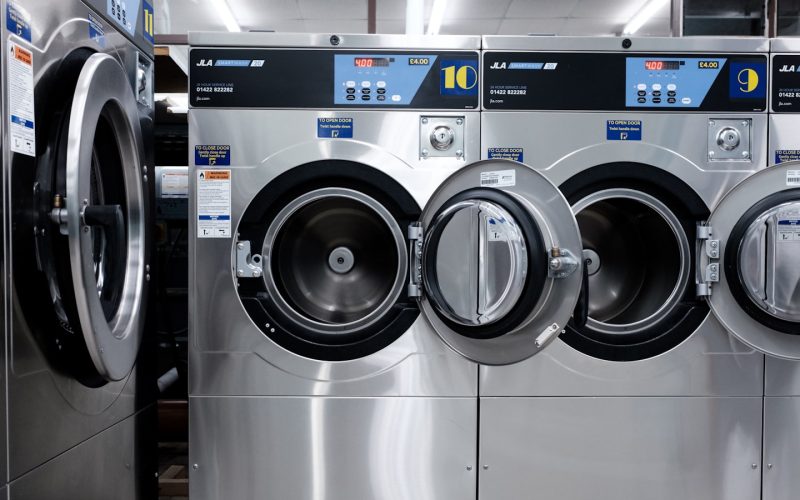
Day 9. Switch washing machine to 30°C cycles for normal clothes (not bedding, towels, or heavily-soiled items).
Day 10. Keep a small bucket in the shower to catch warm-up water. Use for plants or toilet flushing.
Days 11-15: energy habits
Day 11. Set your heating thermostat 1°C lower. Wear a jumper if needed. You’ll adjust within a week.
Day 12. Switch off the TV at the wall (or via plug strip) before bed. Same for set-top box, gaming console.
Day 13. Unplug your phone charger when not actively charging. Same for any chargers left in outlets.
Day 14. Use lamps instead of overhead lights in the evening. Lower wattage. Better ambient.
Day 15. Open curtains during winter daylight for free solar heat; close at dusk to retain warmth.
Days 16-20: transport and shopping
Day 16. Walk one journey you’d normally drive or rideshare. Anything under 1.5km is faster on foot anyway.
Day 17. Combine errands. If you need to go to three places, plan them as one trip rather than three.
Day 18. Bring your own bag for shopping. Keep one in your everyday bag, one in your coat pocket.
Day 19. For one online order, choose standard delivery instead of express. Better van consolidation.
Day 20. Refill your water bottle from tap before leaving home. Don’t buy bottled water today.
Days 21-25: small purchasing changes
Day 21. When you next buy hand soap, choose a refillable dispenser plus refill rather than another disposable bottle.
Day 22. When you next buy laundry detergent, choose a concentrated or sheet version rather than a large plastic bottle.
Day 23. If you have a coffee shop habit, bring a reusable cup today. Many shops offer 25-50p discounts.
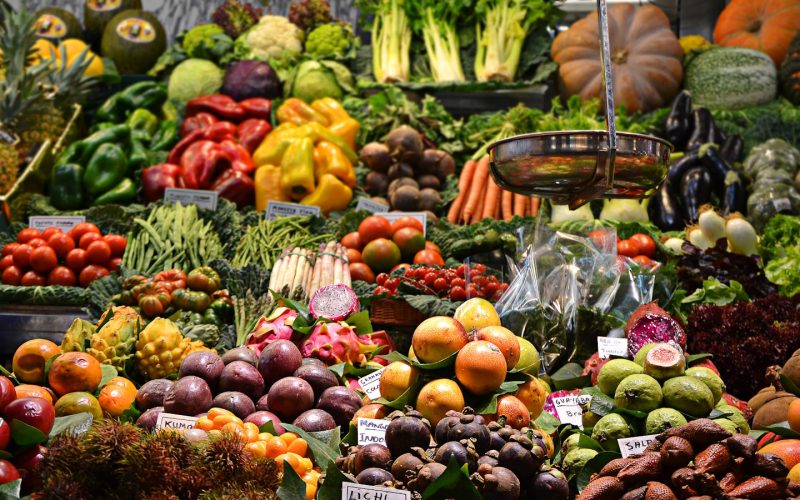
Day 24. Visit your local greengrocer or market for one fresh item instead of supermarket. Notice the difference in packaging.
Day 25. Skip the snack aisle on your next supermarket trip. Snacks add disproportionate packaging and processing waste.
Days 26-30: building habits
Day 26. Find out what your council recycles. Print or save the guide. Stick it near your bin.
Day 27. Identify one item you’ve been wishcycling (putting in recycling hoping it works). Find the actual disposal route.
Day 28. Check your gas/electricity bill. Note your annual consumption. You’ll compare against this in 12 months.
Day 29. Have a conversation with one neighbour about something small (compost, recycling, building habits). Building community is part of building sustainability.
Day 30. Review the 30 days. Note which changes stuck. Note which didn’t. Plan to keep the sticky ones; let the others go.
What you’ll have changed by day 30
If you followed even 20 of the 30 days, by day 30 you will have:
- Reduced your weekly waste noticeably (paper towels gone, less packaging).
- Cut your hot water use by 15-25 percent (shorter showers, cooler laundry, tap discipline).
- Reduced your electricity consumption by 5-10 percent (standby loads eliminated, lighting habits).
- Reduced your heating use by 8-12 percent (lower thermostat, better window habits).
- Replaced a few high-packaging products with lower-packaging alternatives.
- Started genuine recycling rather than wishful recycling.
- Begun one or two conversations with neighbours about shared sustainability.
The financial impact of these changes is typically £100-300 saved in the first year. The carbon impact is meaningful, typically 200-500 kg CO2 saved annually.
Related: Eco-Friendly Swaps That Actually Stick (And Ones That Don’t)
The mental shift
More important than the specific changes is the mental shift that happens by day 30. You’ve proven to yourself that you can change household habits without dramatic lifestyle disruption. You’ve started noticing things you didn’t notice before (how much packaging products have, how much water taps use). You’ve broken the “I should really start sustaining better” loop and actually started.
The compounding effect of this mental shift is larger than any individual change. People who complete a 30-day sustainability sprint typically continue making smaller adjustments for years afterward, gradually shifting their household to a meaningfully lower-impact baseline.
Related: How to Read Sustainability Labels Without Getting Conned
What to do next
After 30 days:
- Continue with what’s working without thinking about it.
- Don’t start a new 30-day sprint immediately, give it 2-3 months for habits to fully integrate.
- Identify the next specific area you want to address (transport? food waste? heating?).
- Plan a more focused intervention in that specific area in 2-3 months.
- Or simply maintain the new baseline as your default.
Related: Simple Energy Fixes for Your First Month in a New Flat
The starter checklist
| Key point | What it means in practice |
|---|---|
| One change per day | not seven. Even if a change feels small, give it 24 hours to integrate before adding another. |
| Skip days when needed | Don’t double up on missed days; just continue from where you are. |
| Cost-neutral or low-cost only | No buying anything significant in the first 30 days; the changes should be free or under £10. |
| Reversible if it doesn’t fit | Some changes won’t work for your life. That’s fine. Drop them and continue. |
| Track lightly | A simple list of changes made, ticked off, on a piece of paper or in your phone. |
The honest summary
Sustainability isn’t a quiz to pass or a lifestyle to adopt overnight. It’s a series of small habit shifts that, over years, change how a household operates. The 30-day approach makes the starting point manageable: small daily changes, low or no cost, reversible if they don’t fit, building toward a household that feels different but doesn’t require heroic effort.
The biggest enemy of sustainable habit change is overwhelm. The 30-day structure addresses that by giving permission to do less while making consistent progress. By day 30, you’ll have changed more than you would have through any “complete sustainability overhaul” approach.
Sources and further reading
Frequently asked questions
Skip it and continue. Don't double up. The structure is suggestion, not requirement.
Skip it permanently. Some changes won't fit your specific household. That's fine; focus on the ones that do.
Most changes are free or under £10 (refillable dispenser, plug strip, reusable bag). Bigger purchases can come later if at all.
For most households, switching to cold laundry cycles (day 9) and turning down heating (day 11). These have the largest immediate impact.