Local makers markets, small markets where craftspeople, food producers, and artisans sell directly to customers, are one of the quietly significant sustainability institutions in modern cities. They support local economies, reduce supply chain emissions, build neighbourhood culture, and create alternatives to mass-produced consumption.
This article covers how to find them, why they matter, and how to integrate them into your shopping rhythm.
What counts as a makers market
The category includes:
- Artisan food markets: bread, cheese, charcuterie, jams, baked goods from small producers.
- Craft markets: ceramics, textiles, jewellery, wood products from local makers.
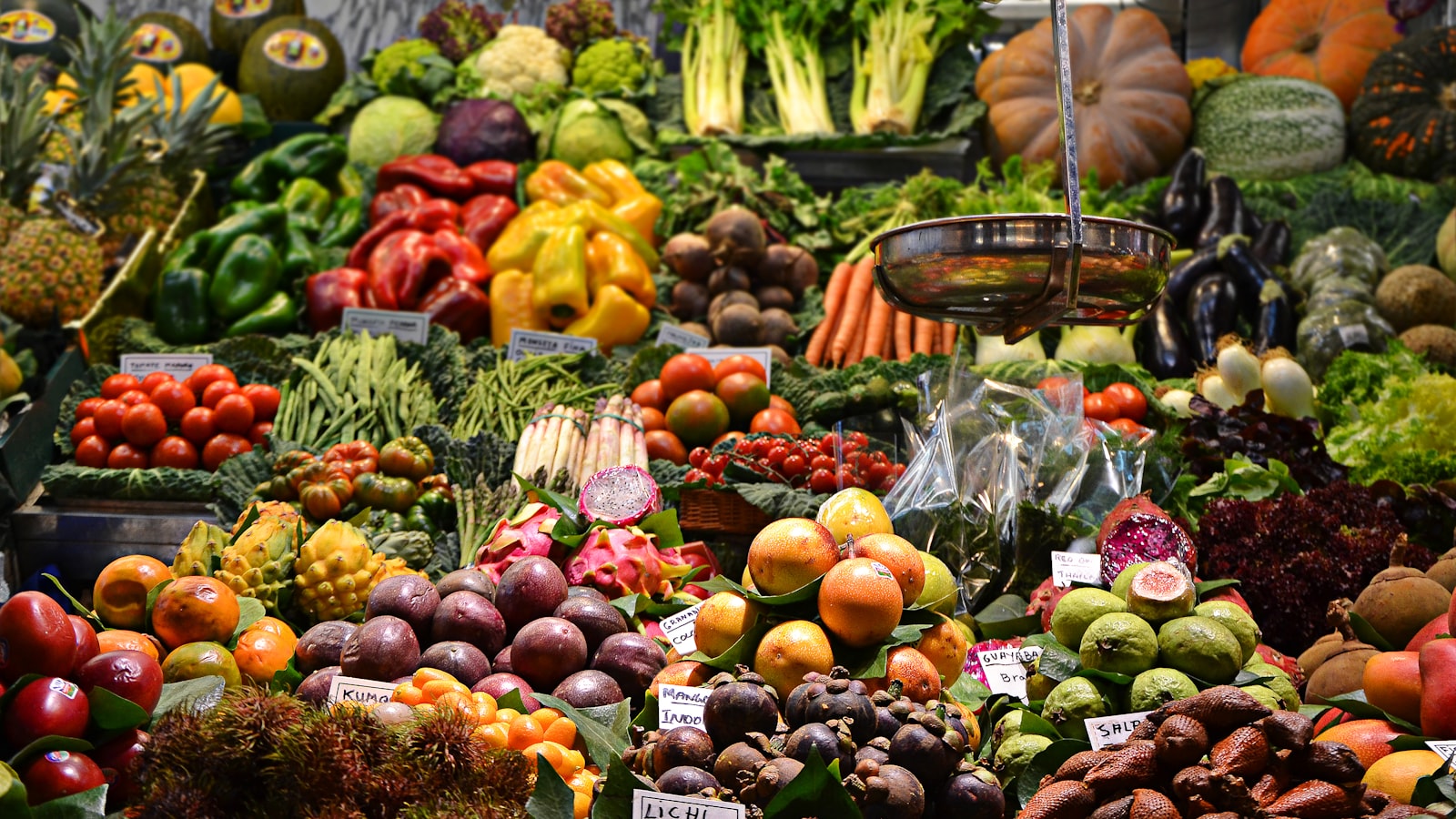
- Farmers markets: fresh produce, meat, dairy from local farms.
- Hybrid markets: mix of food, craft, and second-hand goods.
- Seasonal markets: Christmas markets, harvest festivals, summer fairs.
- Pop-up markets: one-off events in unusual venues.
Why they matter for sustainability
The environmental and social arguments:
- Shorter supply chains. Producers often within 50-100 km, vs. global supply chains for mainstream retail.
- Less packaging. Direct sales typically use less or no packaging.
- Higher-quality goods. Items designed for durability rather than scheduled obsolescence.
- Direct producer relationships. Know who made what, how, and from what materials.
- Economic resilience. Local money circulates within local economies.
- Skills preservation. Crafts maintained that would otherwise disappear.
- Cultural distinctiveness. Cities retain character through local makers vs. chain dominance.
How to find them
Resources for locating local markets:
1. Local Council websites
Most councils list markets they license or support. Check parks and events sections.
2. Dedicated market directories
Sites like FoodPilgrim, Hampers London, or local equivalents list food and craft markets in specific regions.
3. Instagram and social media
Many markets have strong Instagram presence. Searching local hashtags (#londonmarkets, #brightonmakers) reveals events.
4. Local newspaper community listings
Traditional but still useful for older-established markets.
5. Local cafes and shops
Often advertise nearby markets on noticeboards or in conversation.
6. Apps and platforms
Apps like Olio, Too Good To Go sometimes promote affiliated markets.
7. Word of mouth
Ask neighbours, especially those who seem to source food and goods from independent producers.
The shopping mindset shift
Makers markets require a different shopping approach than supermarkets:
- Bring cash. Many small vendors still prefer cash; cards may attract fees.
- Bring reusable bags. Often no plastic bags provided.
- Go early for best selection, late for discounts. First-hour shoppers get pick of fresh items; final-hour shoppers get vendor discounts on unsold goods.
- Talk to producers. Most love discussing their work; ask questions about materials, sourcing, processes.
- Don’t expect supermarket prices. Often more expensive per item but higher quality.
- Build relationships. Regular customers often get better service, occasional gifts, advance notice of special items.
The financial reality
Honest comparison vs. supermarkets:
- Fresh produce: sometimes competitive (especially in season); often 20-30 percent more expensive.
- Bread and bakery: usually higher quality, 30-50 percent more expensive than supermarket; comparable to artisan bakery prices.
- Meat and dairy: 30-100 percent more expensive than mainstream supermarket; comparable to organic supermarket lines.
- Crafts and homewares: rarely cheaper than mass-produced; the value is in quality and uniqueness rather than price.
The realistic approach: makers markets supplement rather than replace mainstream shopping for most households. Use them for specific items where quality matters or you want to support specific producers.
Building markets into your rhythm
Sustainable patterns of integration:
Monthly visit
Treat market shopping as a monthly event. Plan what you’ll buy. Make it a social outing.
Special-occasion shopping
Use markets for specific needs: cheese for a dinner party, fresh bread for the weekend, a craft gift.
Weekly visits for specific items
Build a market habit for a specific category (your weekly bread, your weekly cheese, etc.). Develop relationships with specific vendors.
Seasonal participation
Visit specific seasonal markets (Christmas, harvest, summer fairs) as anchors of the year.
The producer support dimension
Small producers benefit enormously from regular customers:
- Predictable income vs. retail wholesale.
- Direct feedback to improve products.
- Cash flow vs. delayed retailer payments.
- Avoiding margin squeezing from large retailers.
The 20-30 percent extra you pay vs. supermarket typically reflects the producer’s margin (often less for supermarket goods due to wholesale pricing).
The local impact
Beyond producer support, regular market shopping contributes to:
- Vibrant local high streets.
- Reduced car-dependent shopping patterns.
- Community gathering spaces.
- Preservation of urban character against chain dominance.
- Local skills and cultural transmission.
The market diversity
Markets serve different demographics and price points:
- High-end artisan markets: high prices, premium quality, often weekend-only.
- Mid-range producer markets: moderate prices, good quality, weekday options.
- Working-class produce markets: lower prices, fresh basics, often daily.
- Specialty markets: ethnic foods, niche crafts, regional specialties.
Different markets serve different needs. The high-end weekly market is not the same as the daily street market; both have valid roles.
The starting-out advice
For someone new to markets:
- Visit several different markets before committing to favourites.
- Walk through completely before buying anything (compare prices and quality).
- Start with small purchases to test quality.
- Bring small notes for easier transactions.
- Don’t feel pressured to buy at every stall; vendors understand browsing.
- Ask for recommendations from other shoppers or vendors.
Related: Starting a Building-Wide Compost Rota
The longer-term effects
After 6-12 months of regular market shopping:
- Relationships with specific vendors who recognise you and know your preferences.
- Better understanding of seasonal food availability.
- Improved cooking through better ingredient quality.
- Genuine knowledge of local food production and craft traditions.
- Stronger sense of place and neighbourhood.
- Sometimes invitations to producer events, farm visits, special tastings.
Related: Cooperative Bulk Buying Clubs: How They Work and Why They’re Spreading
The honest summary
Local makers markets aren’t a complete replacement for mainstream shopping, but they’re a valuable supplement. The sustainability benefits are real (shorter supply chains, less packaging, support for small producers). The price premium is genuine but often justified by quality.
For someone who wants to shop more sustainably and isn’t sure where to start, finding and regularly visiting a local market is one of the more accessible entry points. The financial commitment is modest (you choose how much to buy), the time commitment is moderate (1-2 hours weekly or monthly), and the benefits extend beyond the items purchased to the community they help sustain.
Related: Apartment Etiquette: Quiet Hours, Smells, and the Other Unwritten Rules
How the shared arrangement works
| Key point | What it means in practice |
|---|---|
| Artisan food markets | bread, cheese, charcuterie, jams, baked goods from small producers. |
| Craft markets | ceramics, textiles, jewellery, wood products from local makers. |
| Farmers markets | fresh produce, meat, dairy from local farms. |
| Hybrid markets | mix of food, craft, and second-hand goods. |
| Seasonal markets | Christmas markets, harvest festivals, summer fairs. |
What an experienced household looks like
It is worth being honest about what good practice in this area looks like after several years of attention. It is not a magazine-perfect lifestyle. The bins are sorted but not labelled in artisan calligraphy. The pantry has a small set of jars rather than a coordinated wall display. The flat smells like whatever was cooked, not like a perfumed lobby. The energy bill is lower than the neighbourhood average but the household still has a TV, a kettle, and a freezer.
What is different is the defaults. The reusable bag is genuinely in the everyday bag. The thermostat is genuinely scheduled. The food in the fridge is genuinely used before being wasted. The shopping is genuinely planned rather than improvised. None of this requires the household to think harder about sustainability than the average household; it requires the defaults to have been set once and then left alone. The mental load of good practice is, in the long run, significantly lower than the mental load of constantly negotiating with disposable habits.
Sources and further reading
Frequently asked questions
Search "farmers market" or "local market" plus your area. Check council websites. Ask neighbours. Most cities have at least one prominent weekly market and several smaller ones.
Generally yes, shorter supply chains, less packaging, support for small producers, more in-season produce. The sustainability benefit varies by market and what you buy.
Depends on what you're buying. Fresh seasonal produce is often competitive. Specialty items (artisan bread, cheese) have a quality premium that's often worth paying.
Many regions have monthly or seasonal markets even where weekly markets don't exist. Online platforms (Open Food Network, regional veg box schemes) can fill gaps.